
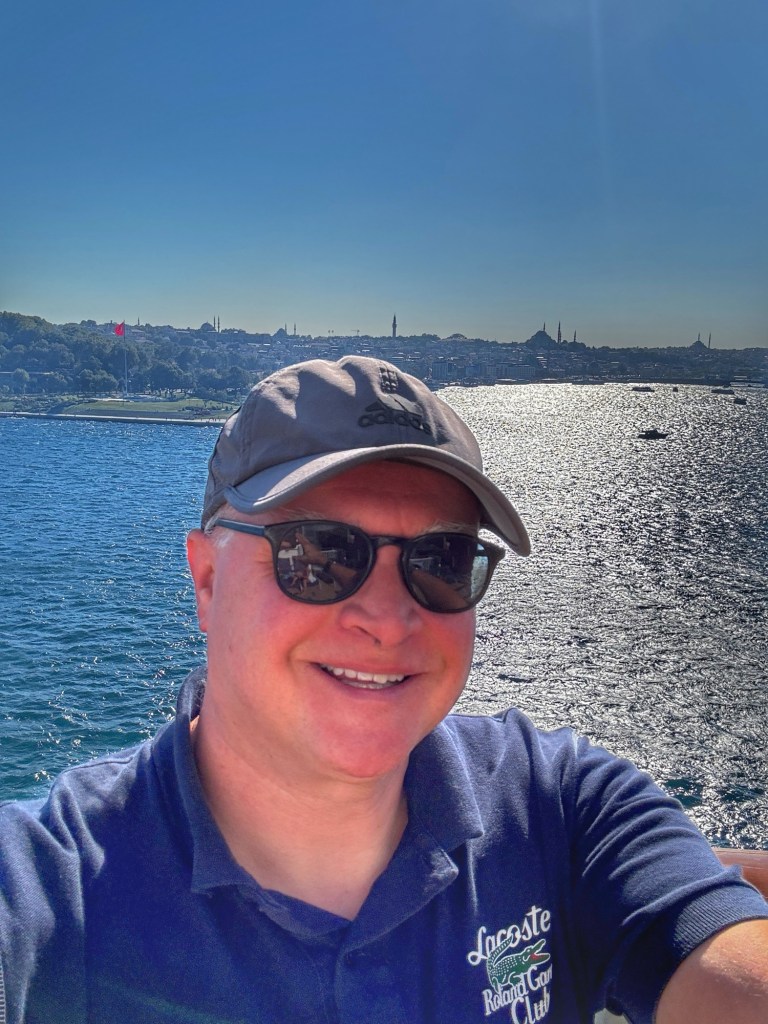
After the Olympics, one of the destinations I’ve been most looking forward to was Istanbul. My first visit to Türkiye 🇹🇷, I was excited to experience the crossroads of Europe and Asia.
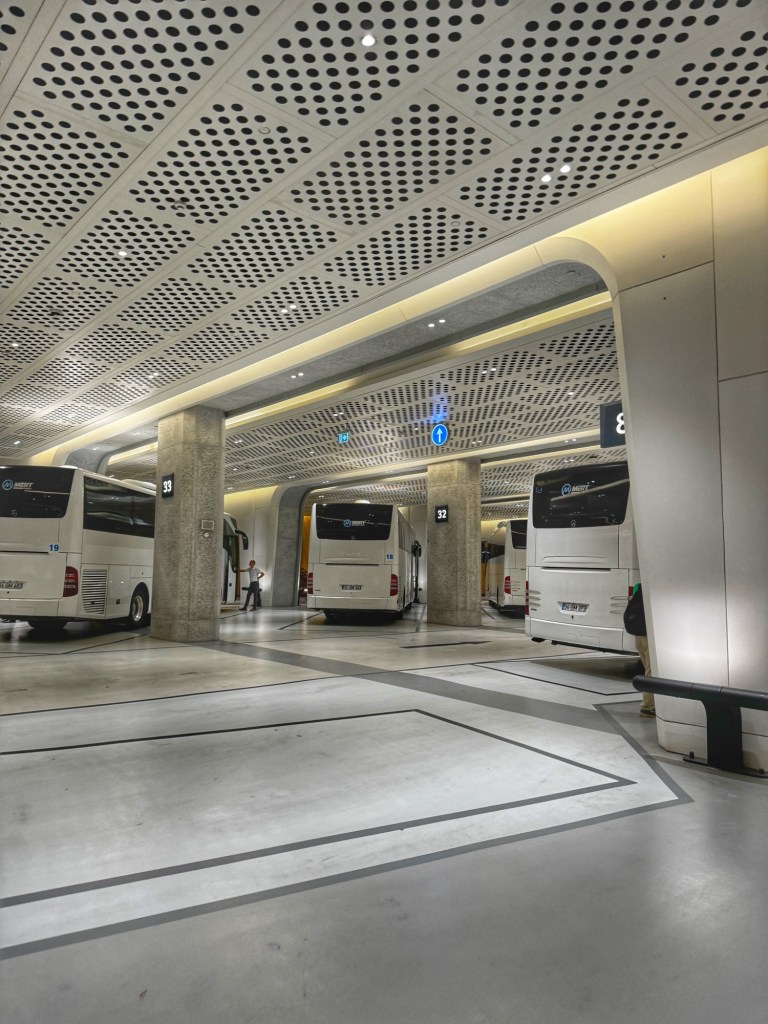
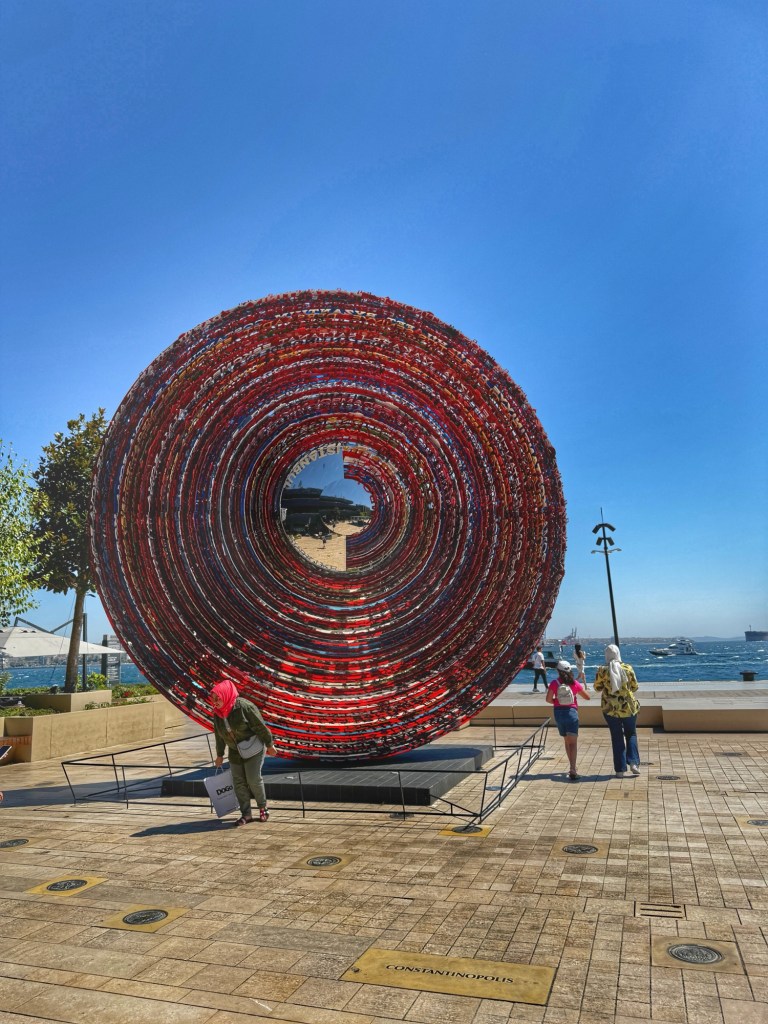
With two days (a rare overnight on a cruise), I decided to try it on my own for Tuesday, day one. I used a Rick Steves guided walk from a 2015 Mediterranean Cruise guide. We docked in the ultra-modern Istanbul Galataport – easily the fanciest cruise port I’ve ever seen. The port is a collection of high-end shops and restaurants, and you actually disembark underground in air-conditioning. If you’re taking a ship excursion, there’s an underground garage with numbered slips for each of the buses.
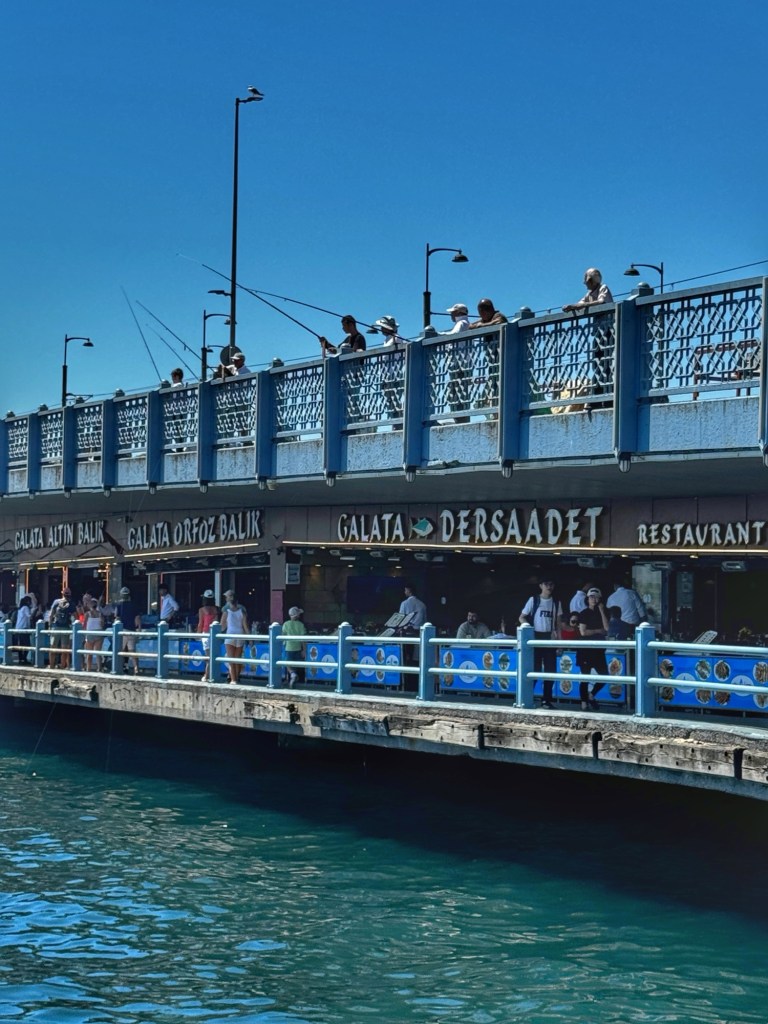
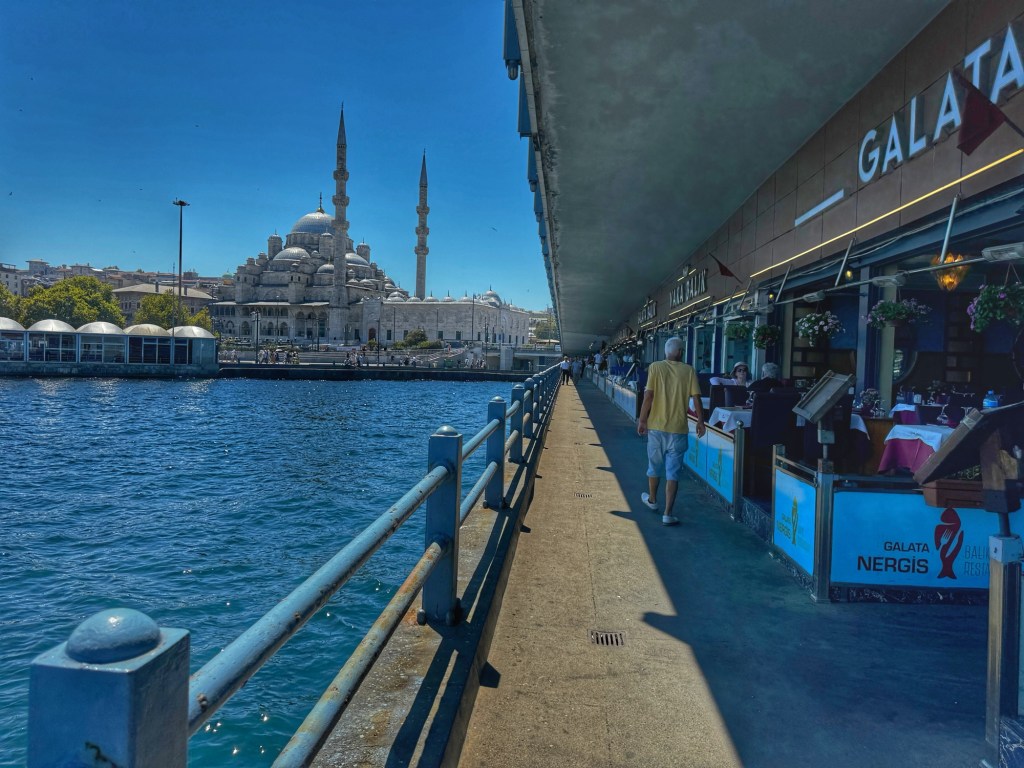
I emerged and started walking toward the Galata Bridge. This interesting bridge has two levels – on top there are fishermen trying their hand and fishing in the Golden Horn. On the bottom, there are restaurants with eager proprietors urging you to dine.
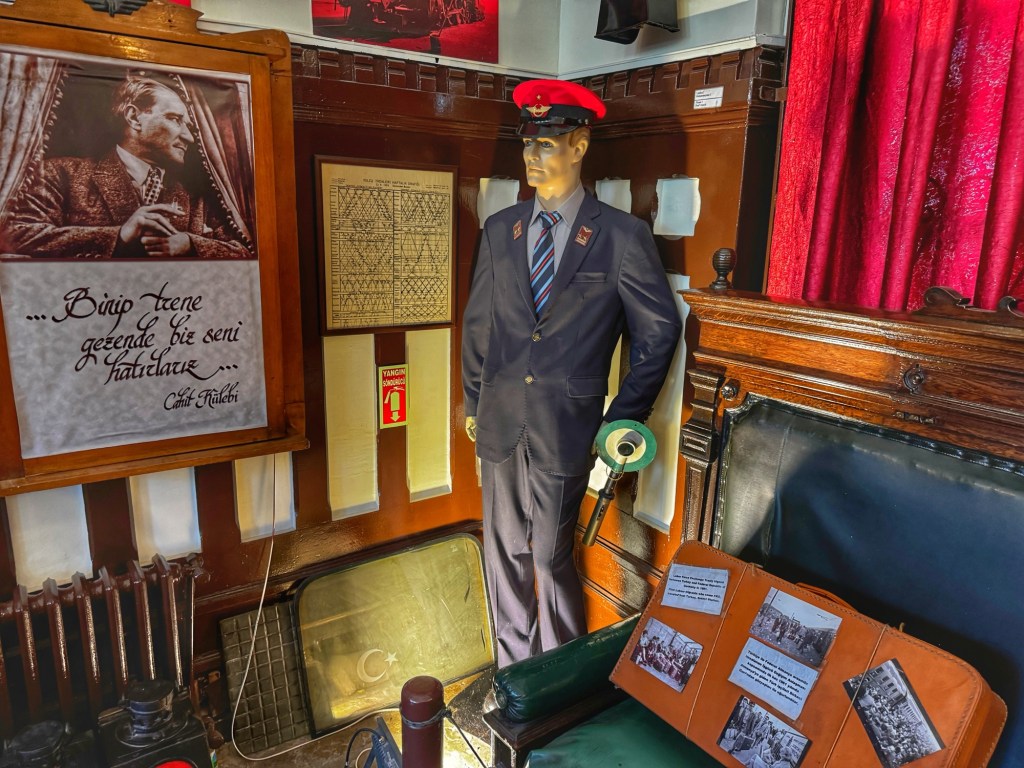
Continuing the walk, I saw Sirkeci train station, the terminus of the Orient Express, made famous in books by Agatha Christie.

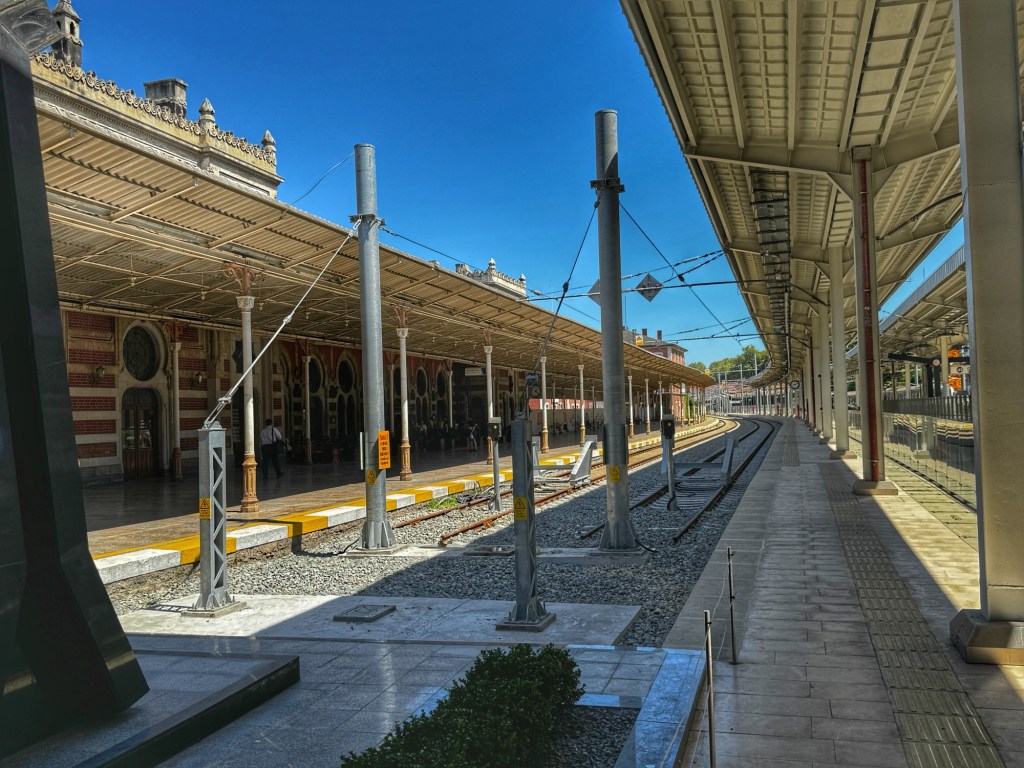
I figured out how to take the tram system, the turnstiles helpfully accept ApplePay, and made my way to Sultanahmet Square, where most of the main sights are located.
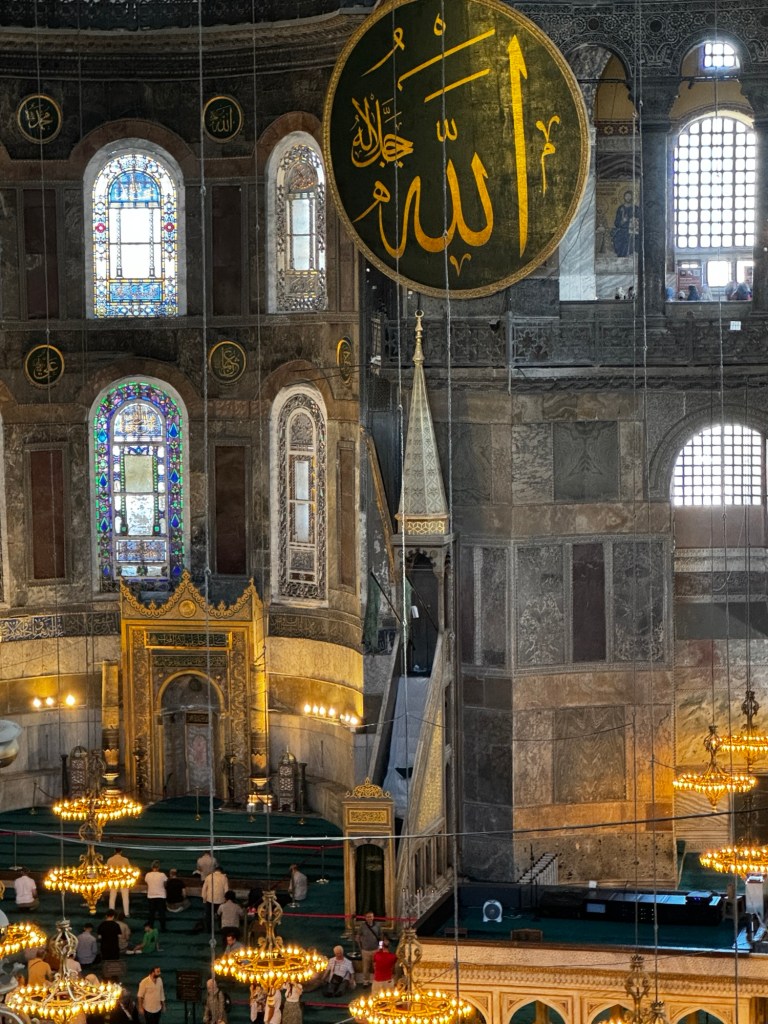
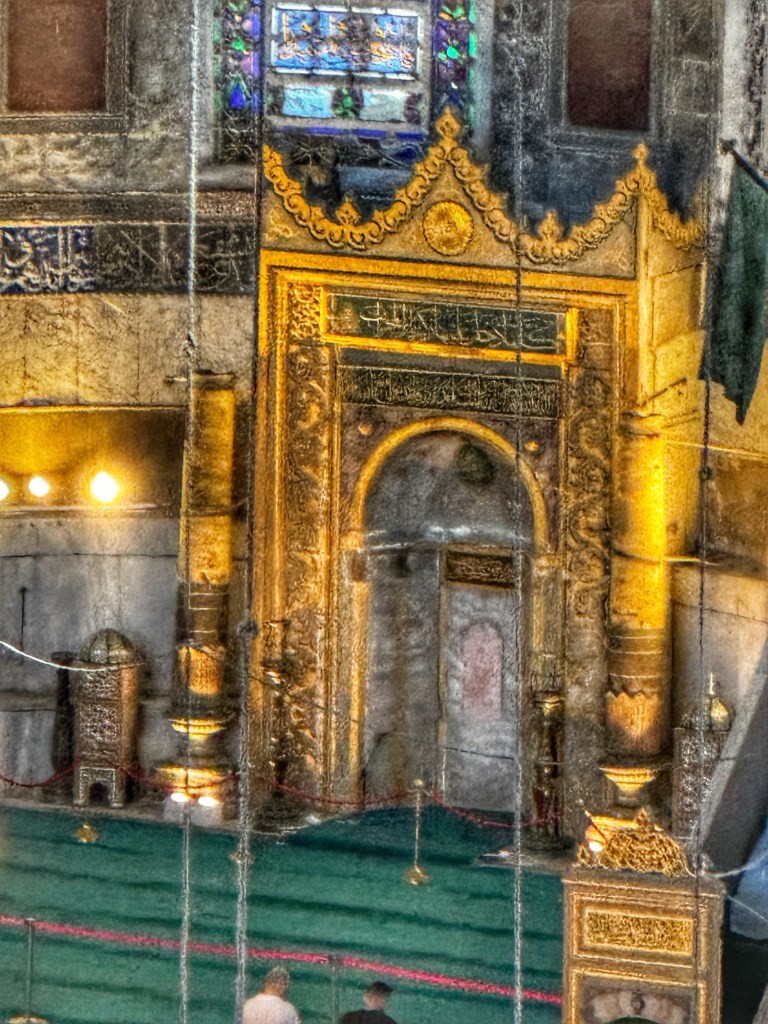
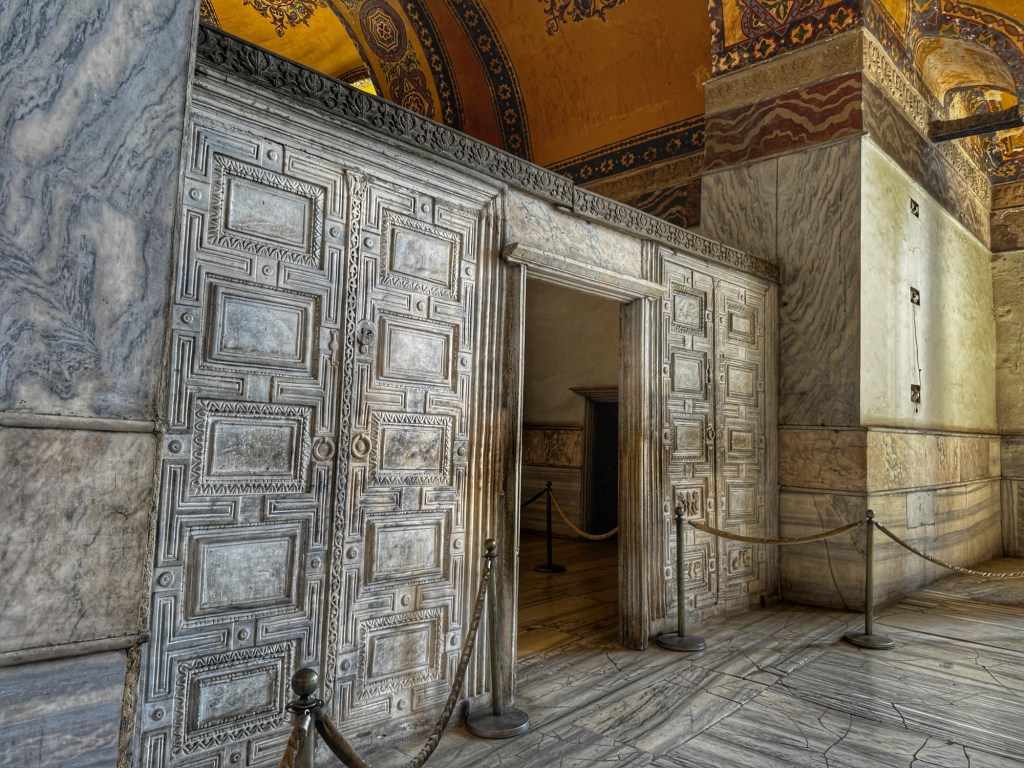
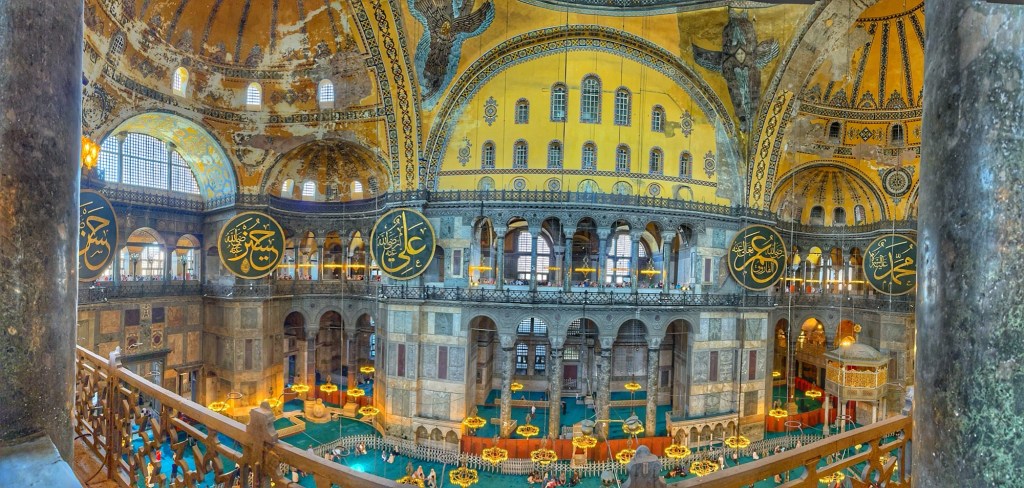
One thing that I quickly discovered doing it on my own was that the lines to get into the sights can be brutal in the heat. I did make it to the amazing Hagia Sophia, built in the height of the Byzantine Empire from AD 346 to 537.
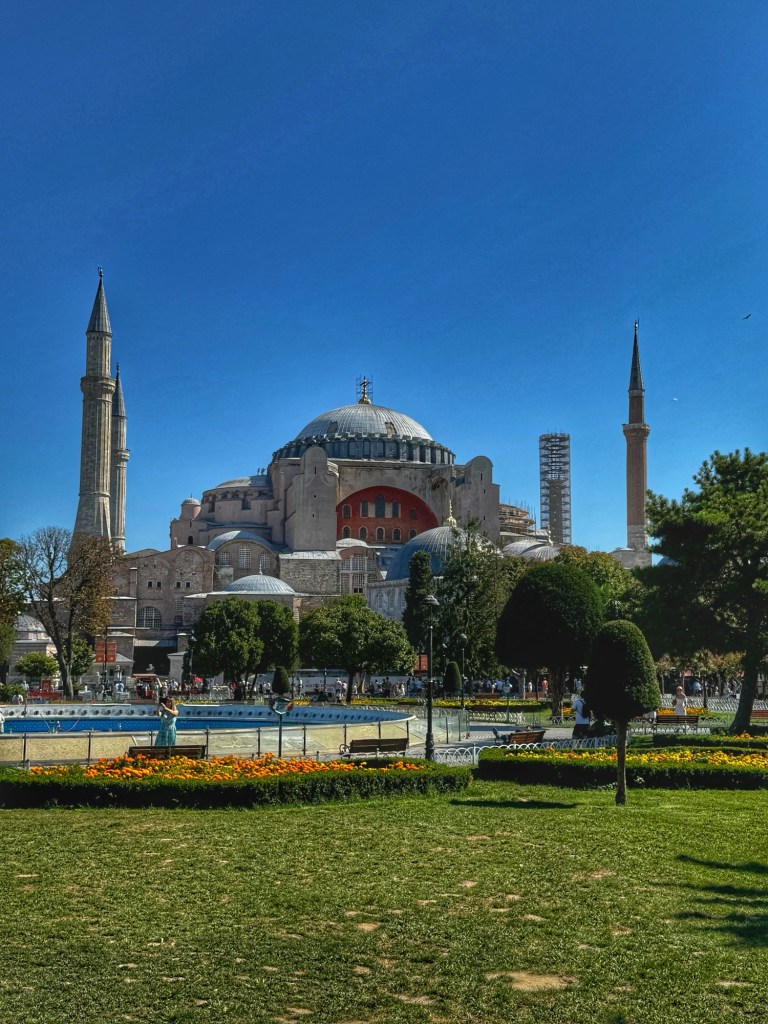
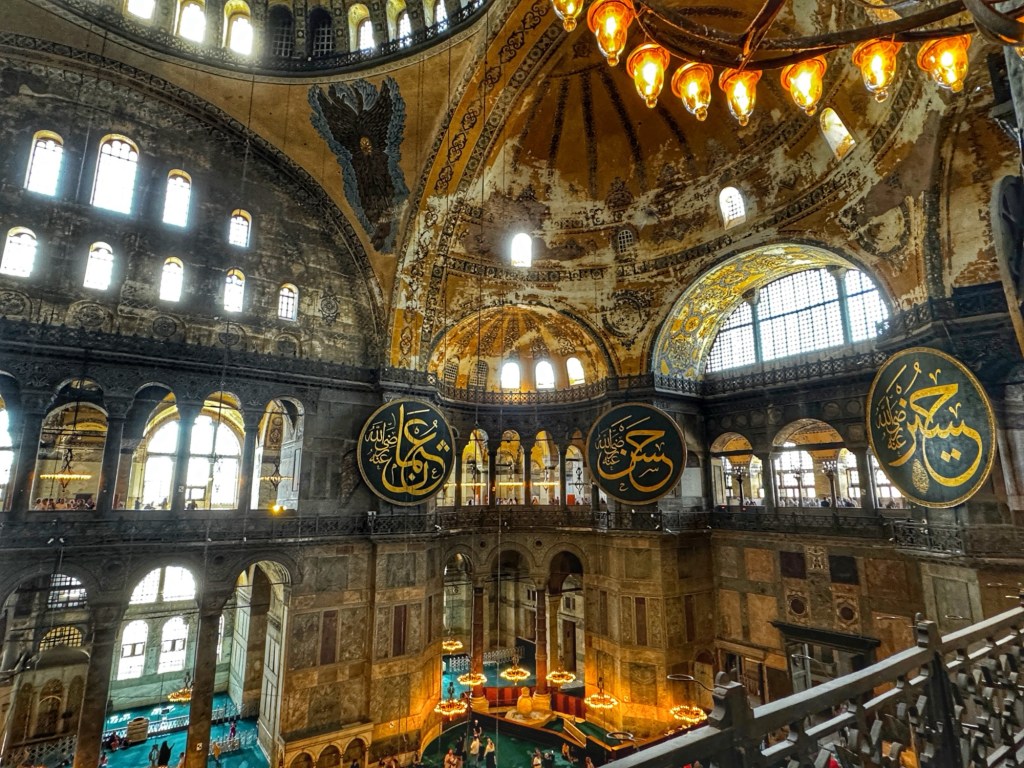
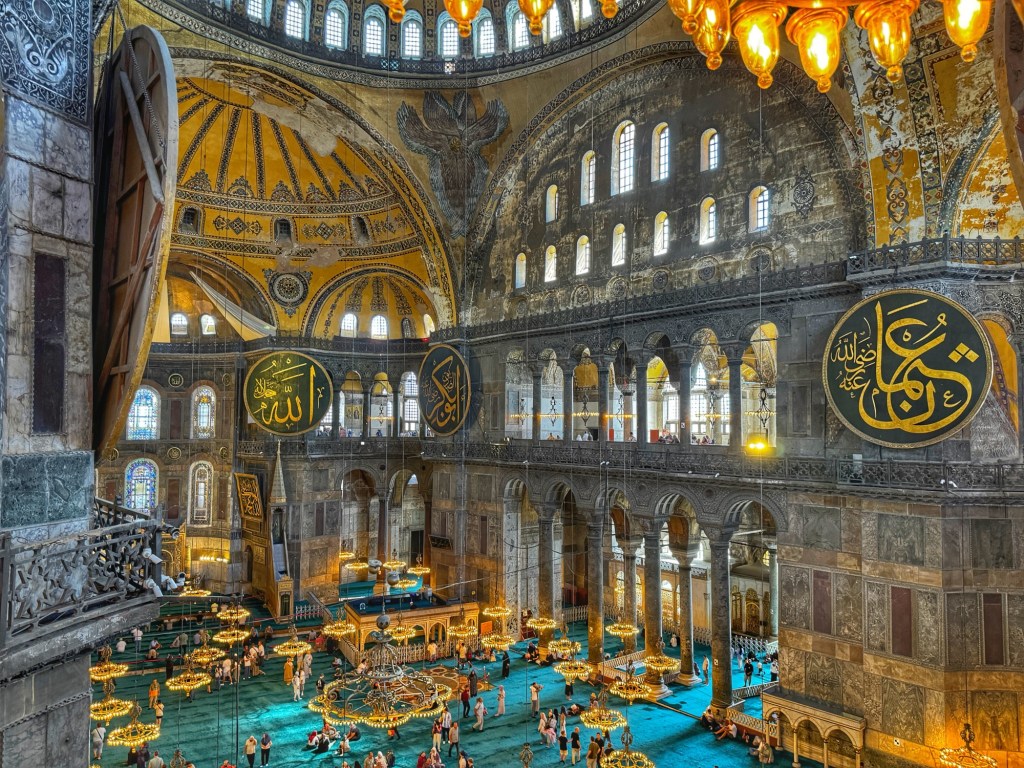
Contrary to the outdated info in my guided walk, things had changed in this decade at the Hagia. The entrance price was raised considerably for visitors and non-Muslims are not permitted access to the ground floor. The building, which had been a sectarian museum since 1935, was converted into a mosque in 2020 at the direction of the Turkish president Erdogan. Türkiye has prided itself since the times of Kamal Ataturk on being sectarian. Erdogan has changed this direction, not to the favor of a few Turks I spoke with. In any case, it was amazing to see this structure, which has been a church and a mosque at various times in its history.

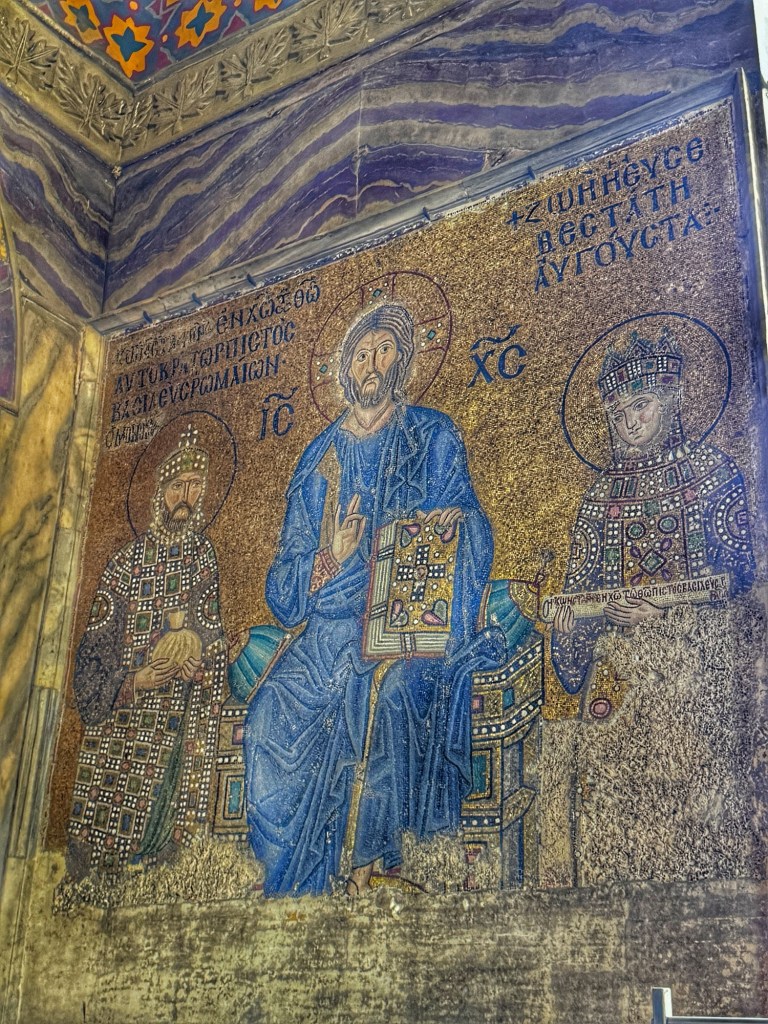
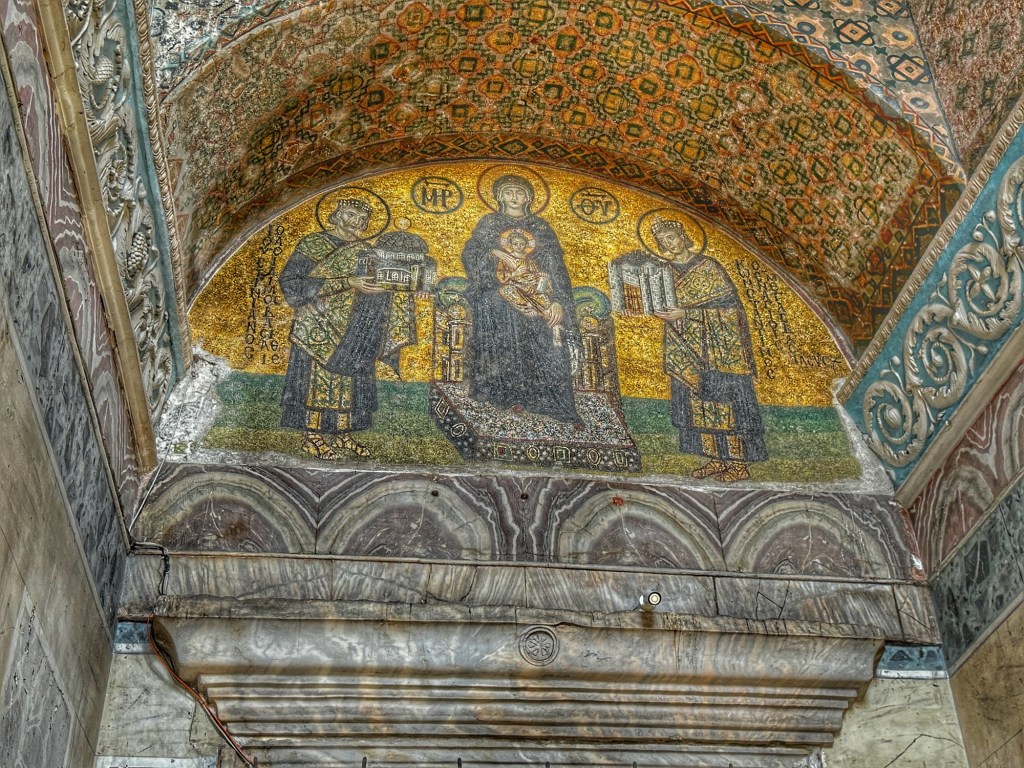
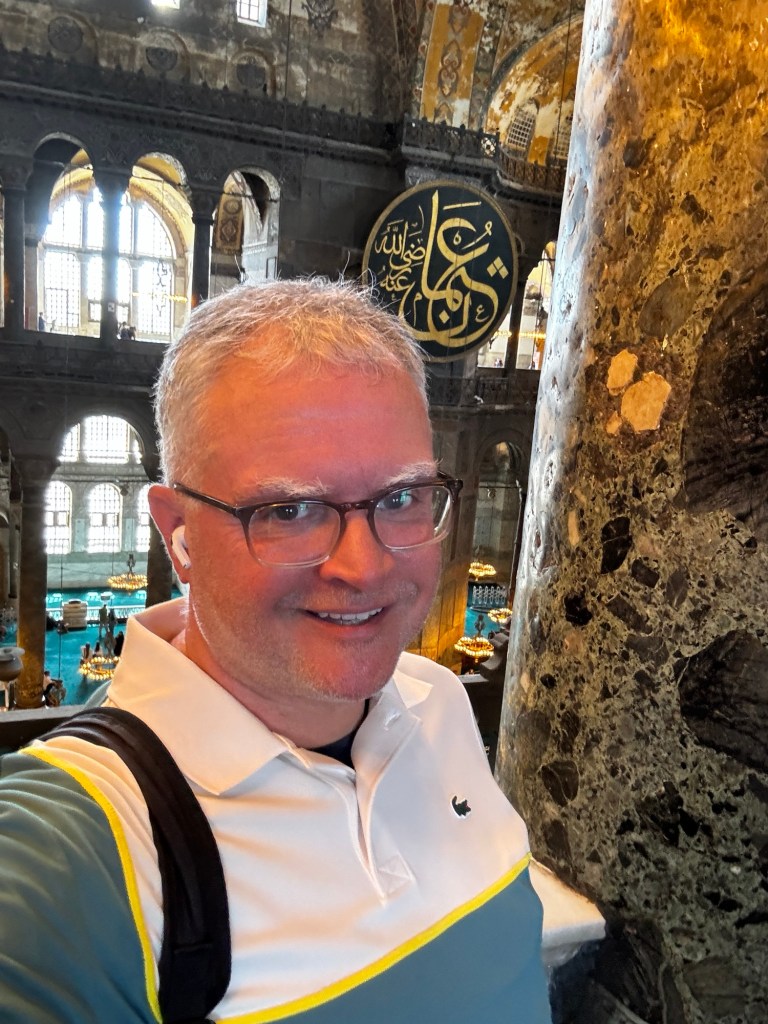
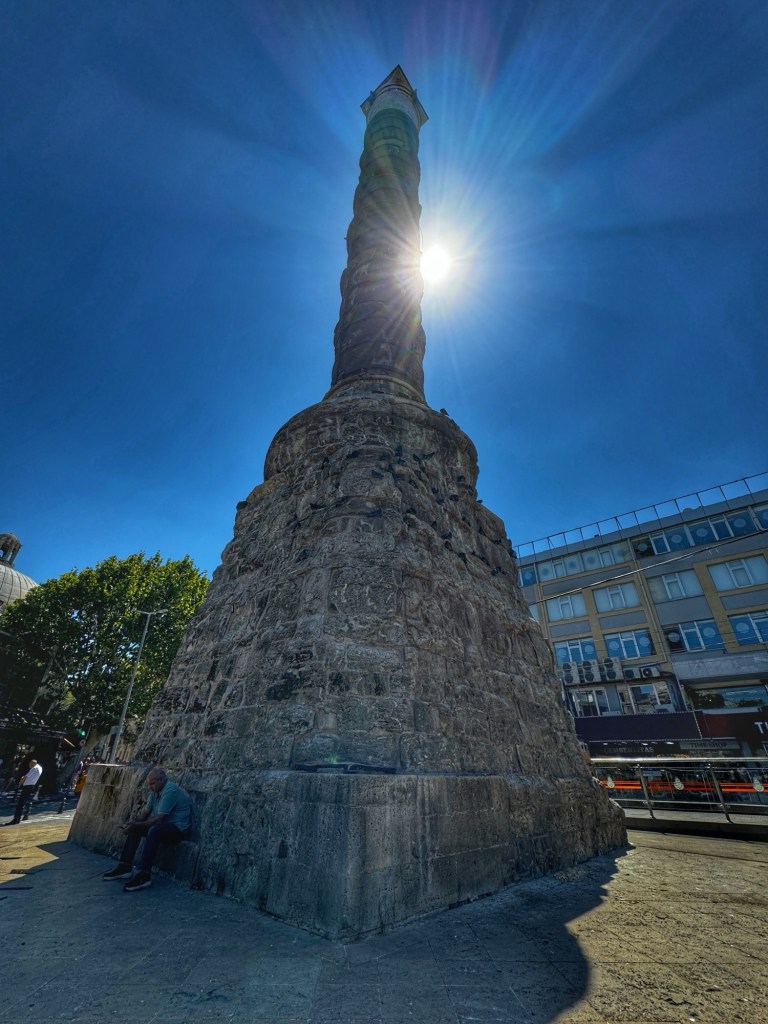
I checked out the ancient Hippodrome, where chariot races took place in Roman times. The recently-released “For Those About to Die” on HBO is about chariot racers in those days, so I was excited to see it. The marble used in the construction of the seating was reclaimed for other uses, including the building of the Blue Mosque. But a couple of “imported” Egyptian obelisks remain from its heyday.
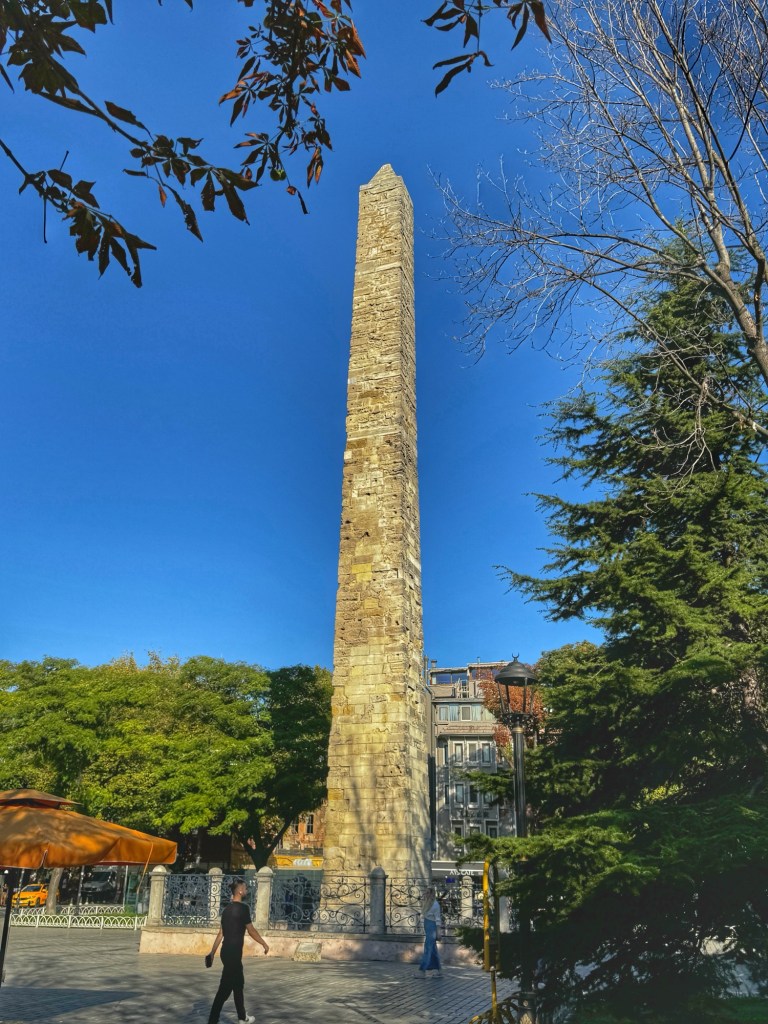
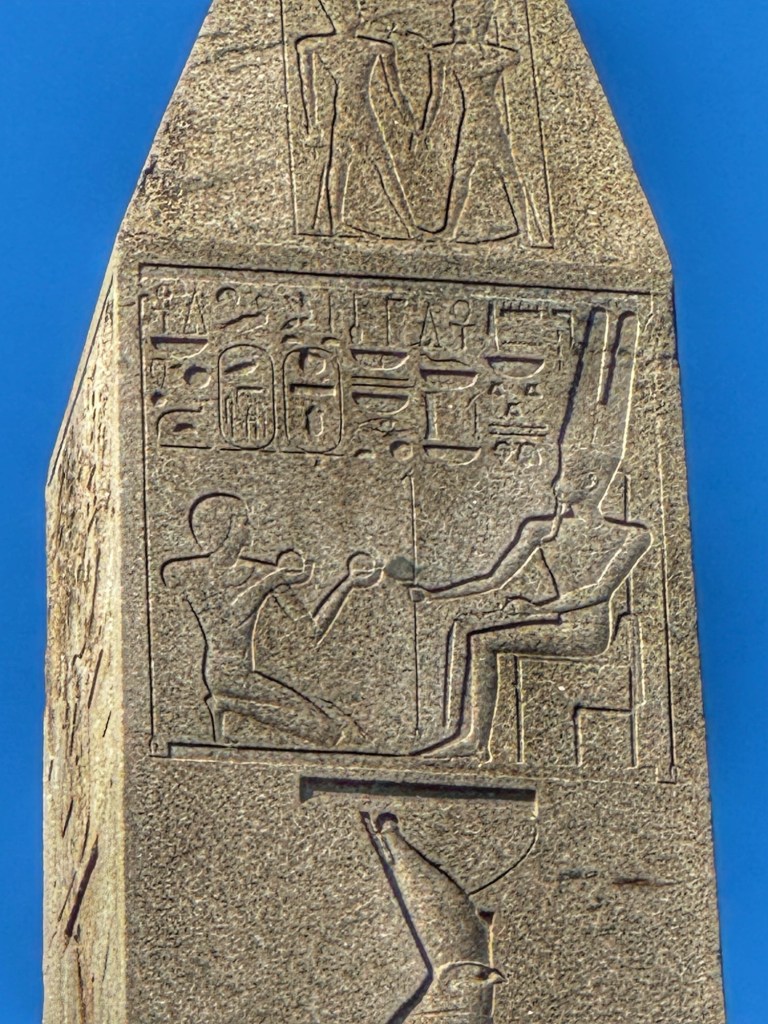
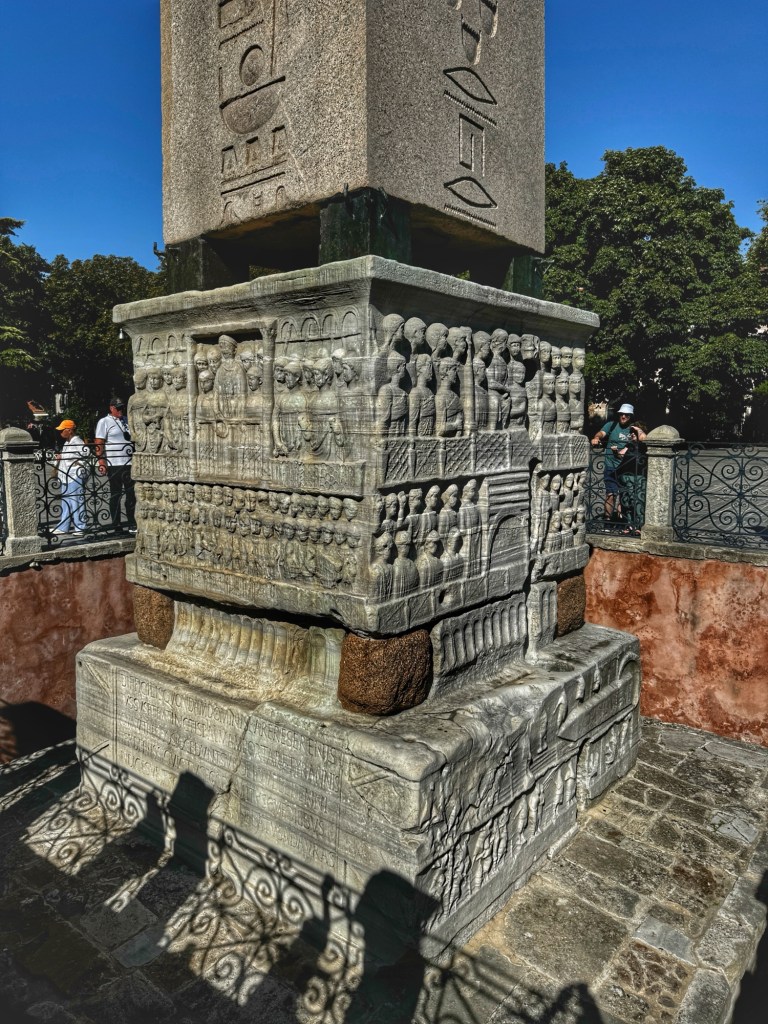
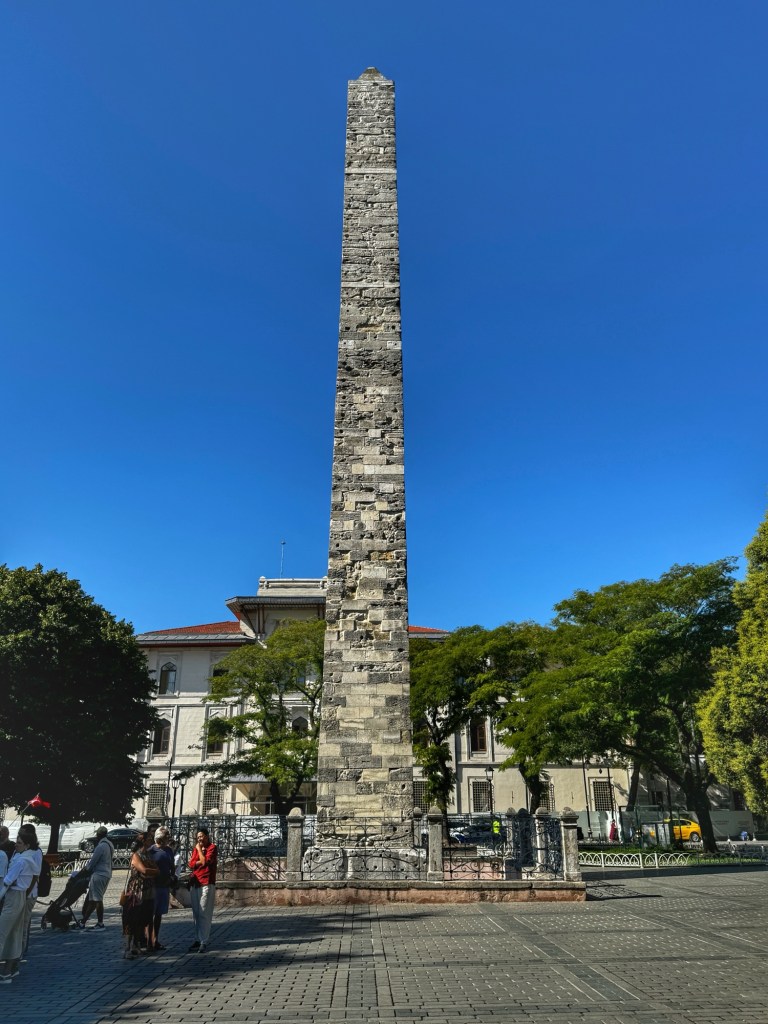
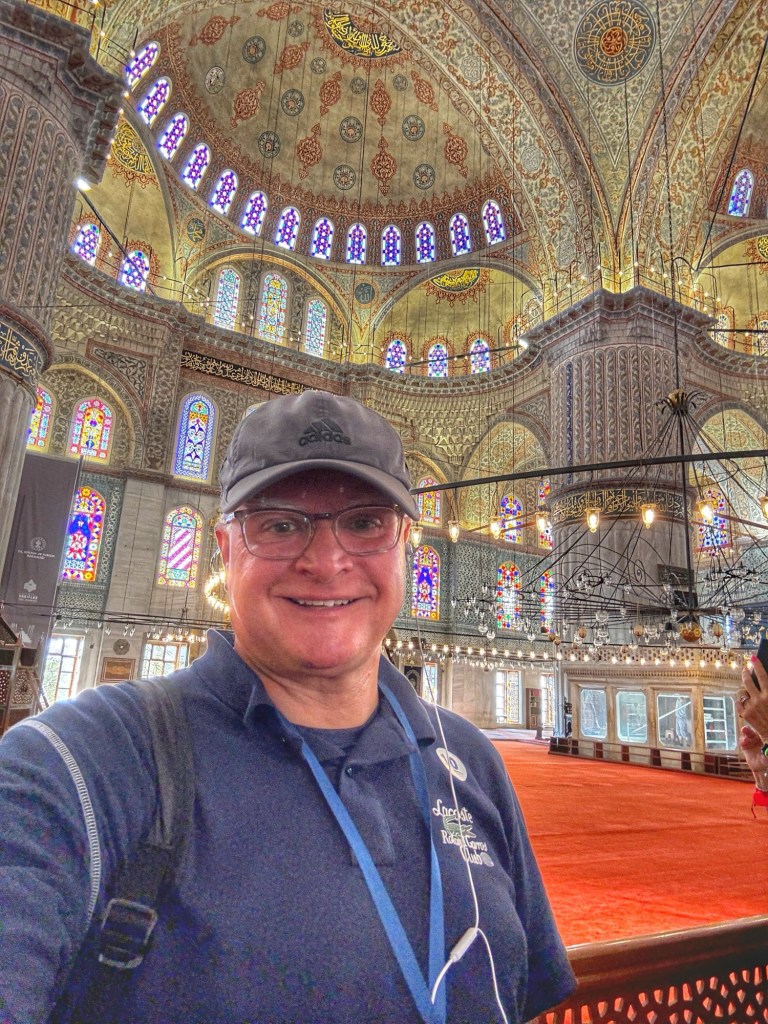
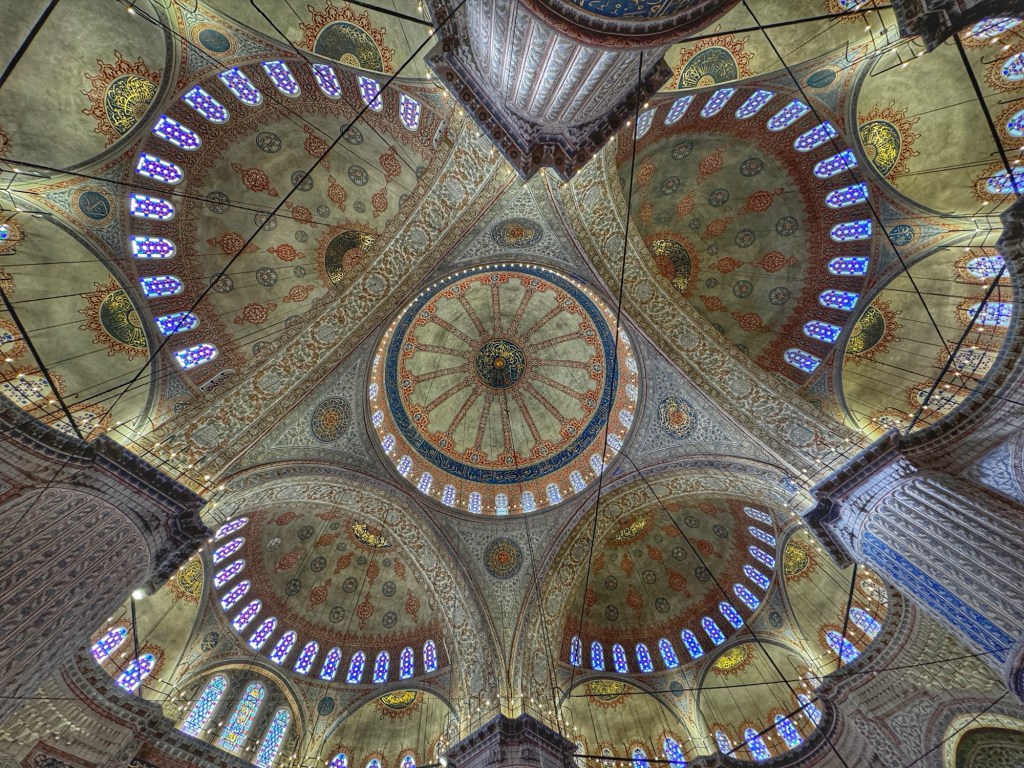
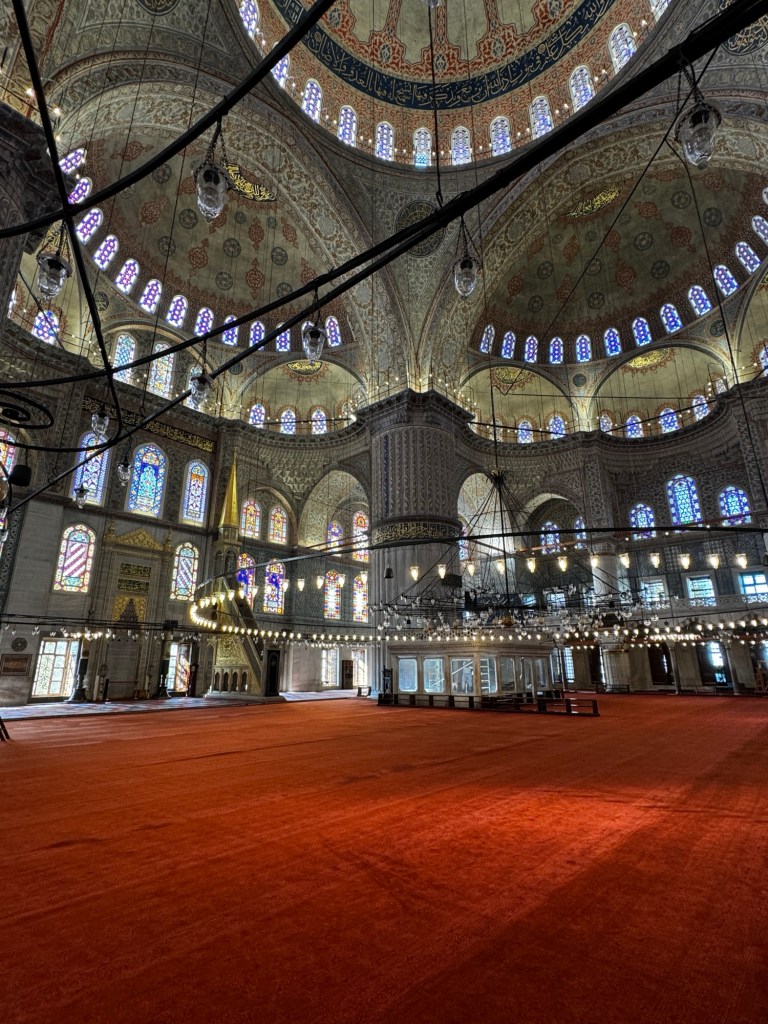
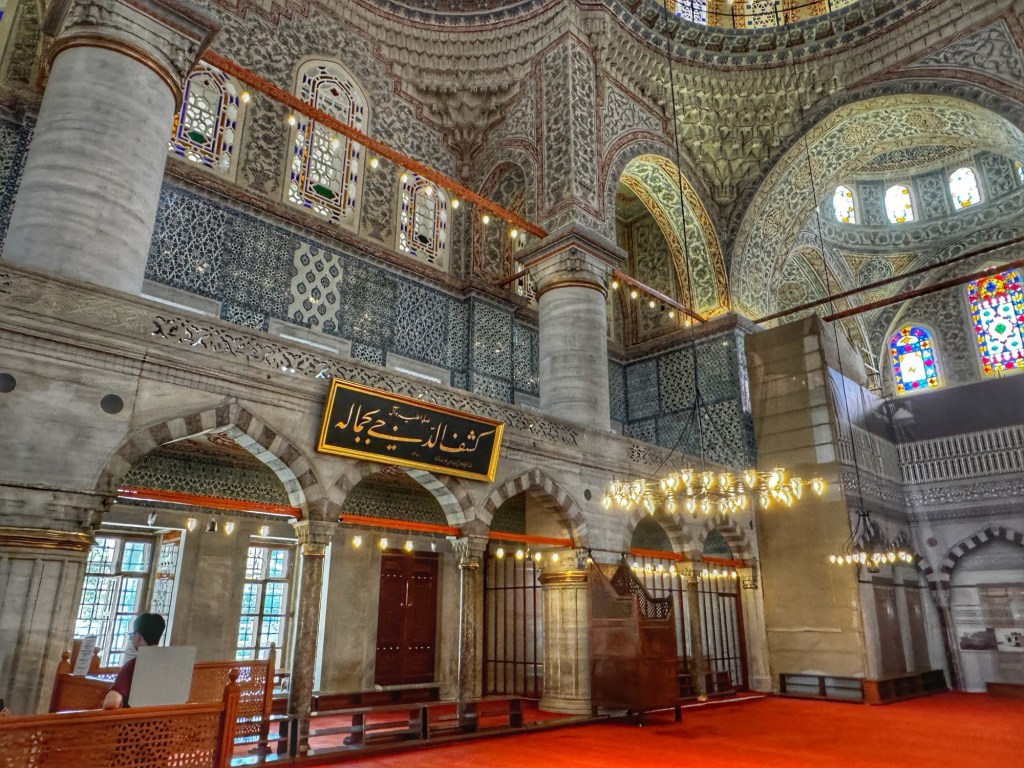
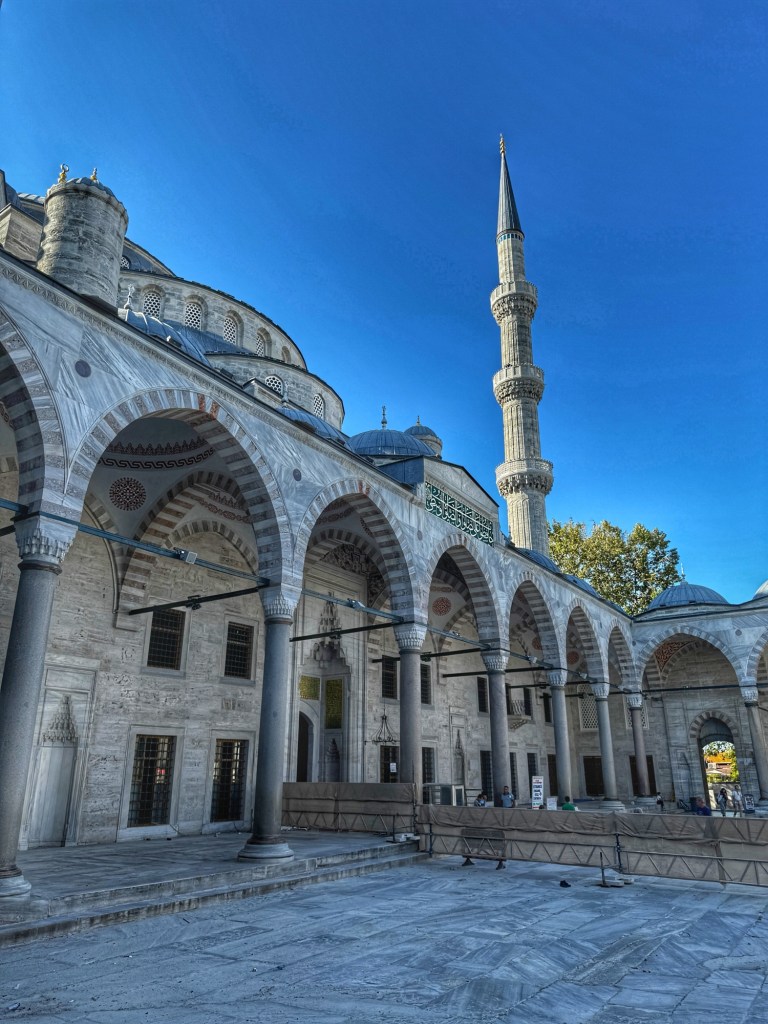
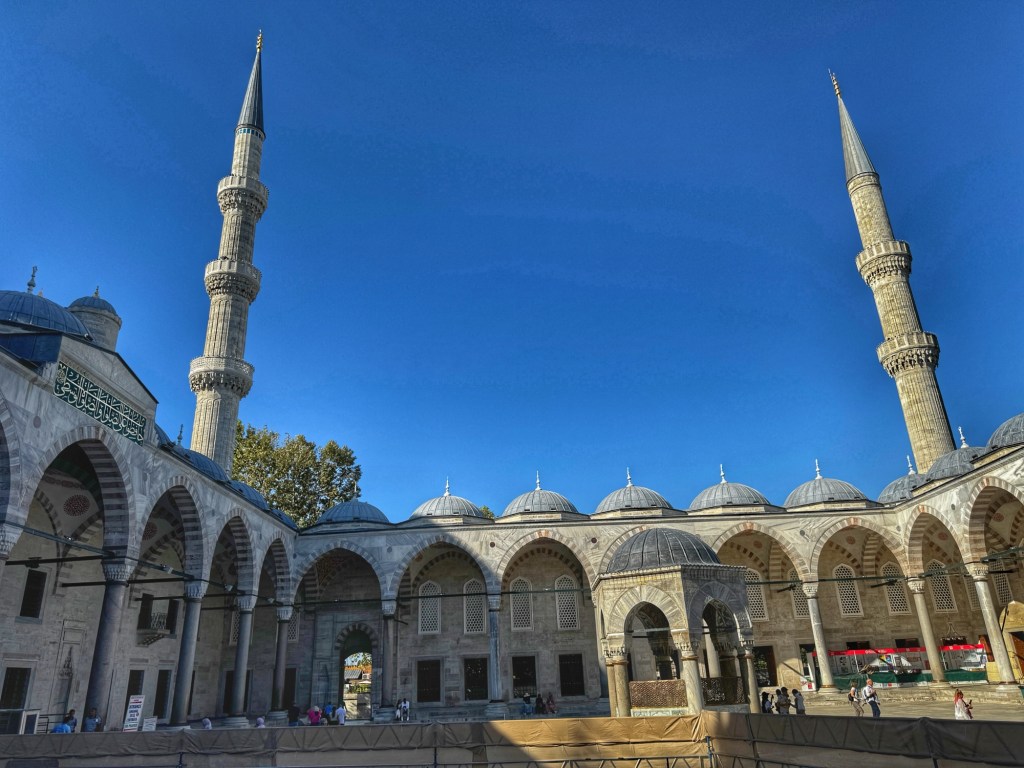
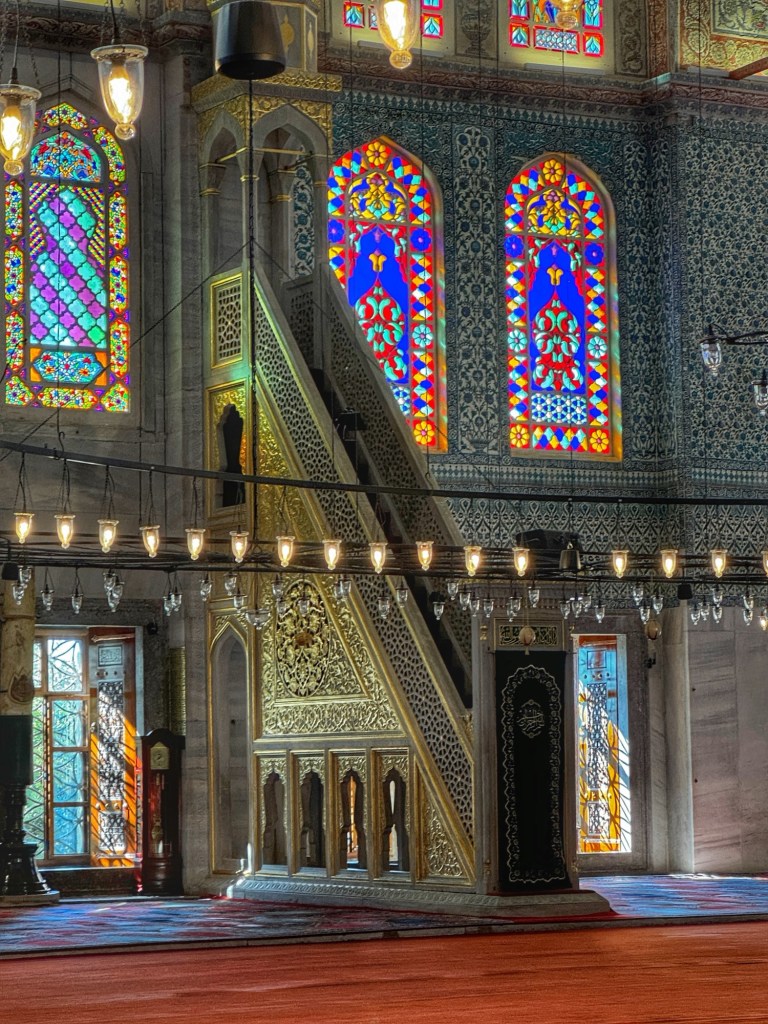
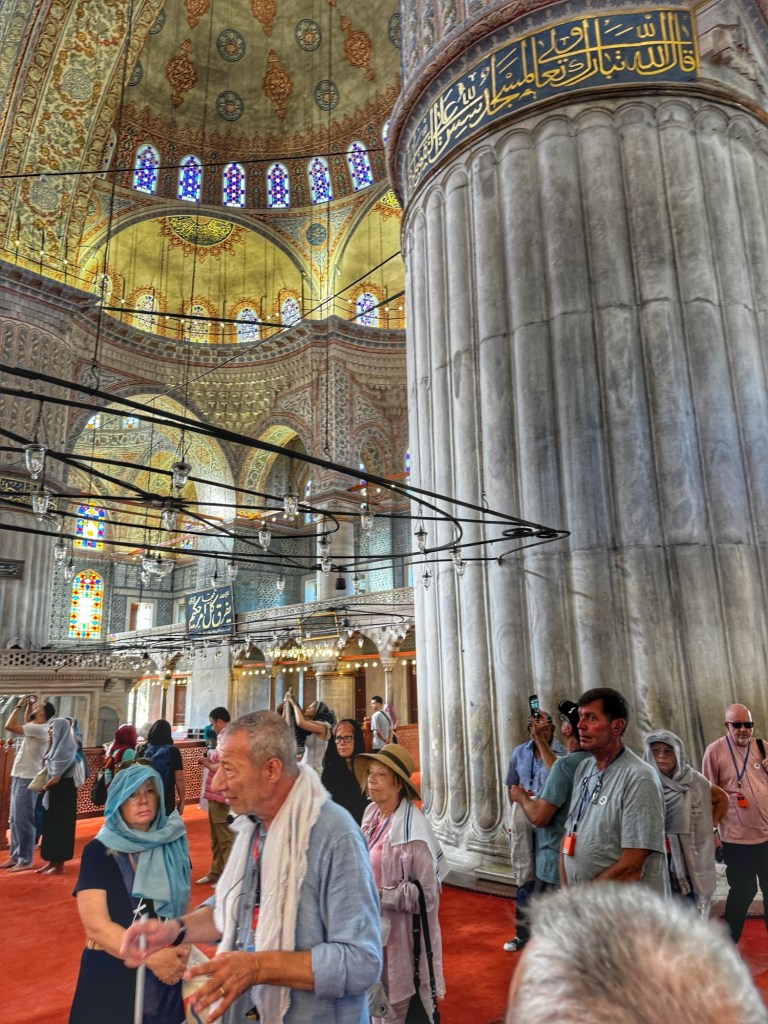
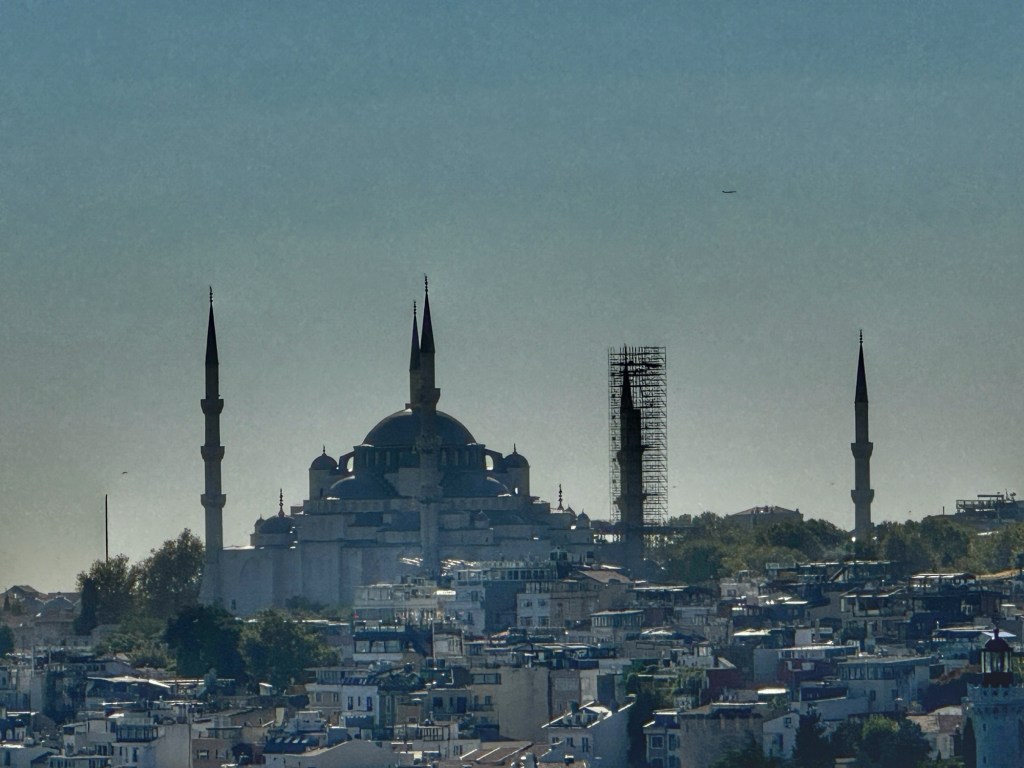
I walked across the ancient Hippodrome and visited the Blue Mosque, also known as the Sultanahmet Camii. This mosque was constructed between 1609 and 1617, in an attempt to contrast the majesty of the Hagia Sophia by Sultan Ahmed I. While not as large as that structure which had been built more than 1000 years earlier, it is very impressive to tour.
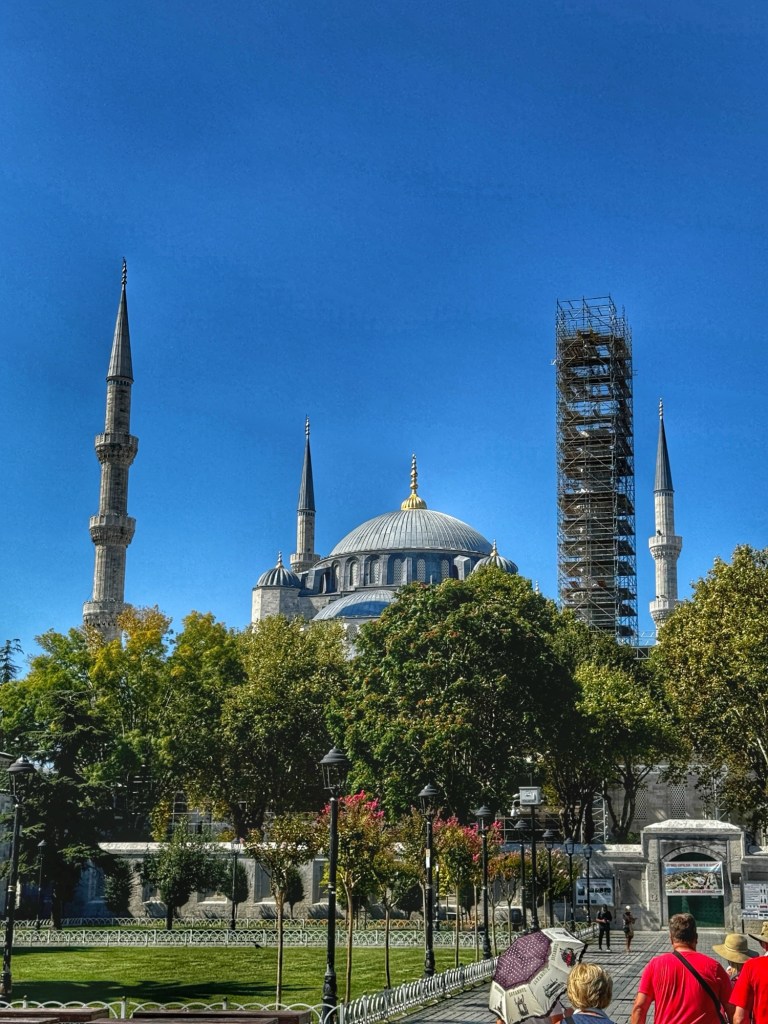
After verifying my shorts covered my knees and taking off my shoes, I was permitted to enter this holy site. It’s known as the Blue Mosque because of the blue tiling used throughout. One of the many things I love about the mosques I’ve visited are the geometric tiling patterns used in construction. Arithmetic comes from the Islamic world, and this is beautifully shown through the geometry used in constructing these wonders.


By this point, I was a bit exhausted from the heat, so I hopped on the handy tram 🚋 which took me directly back to the cruise port.
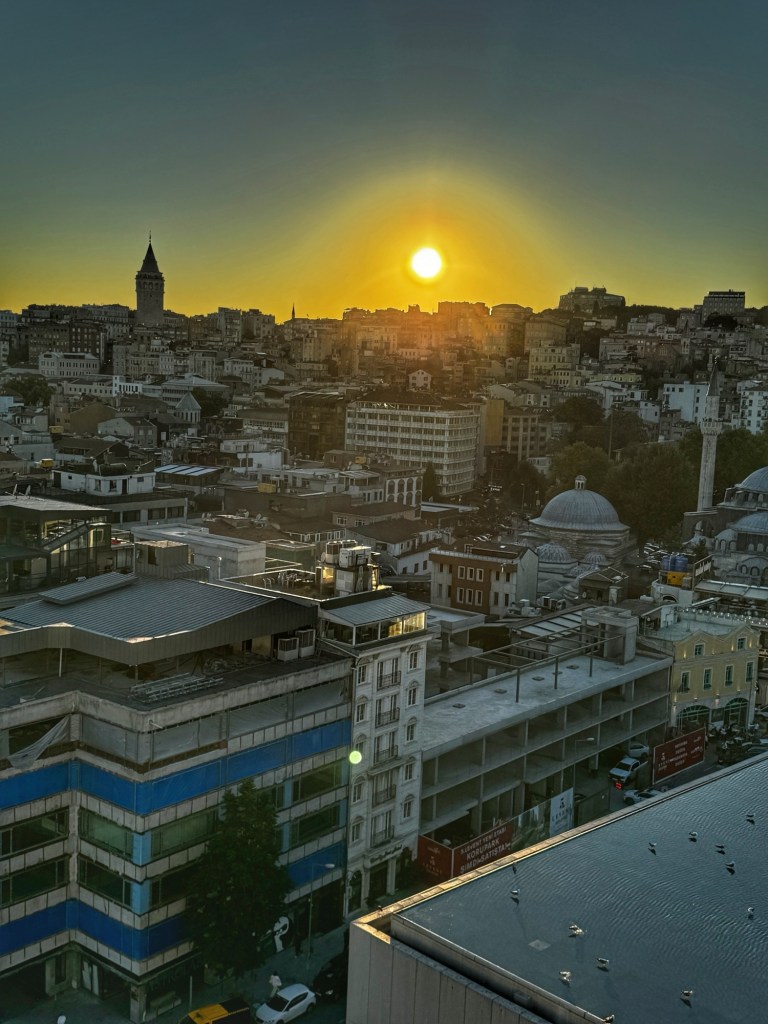
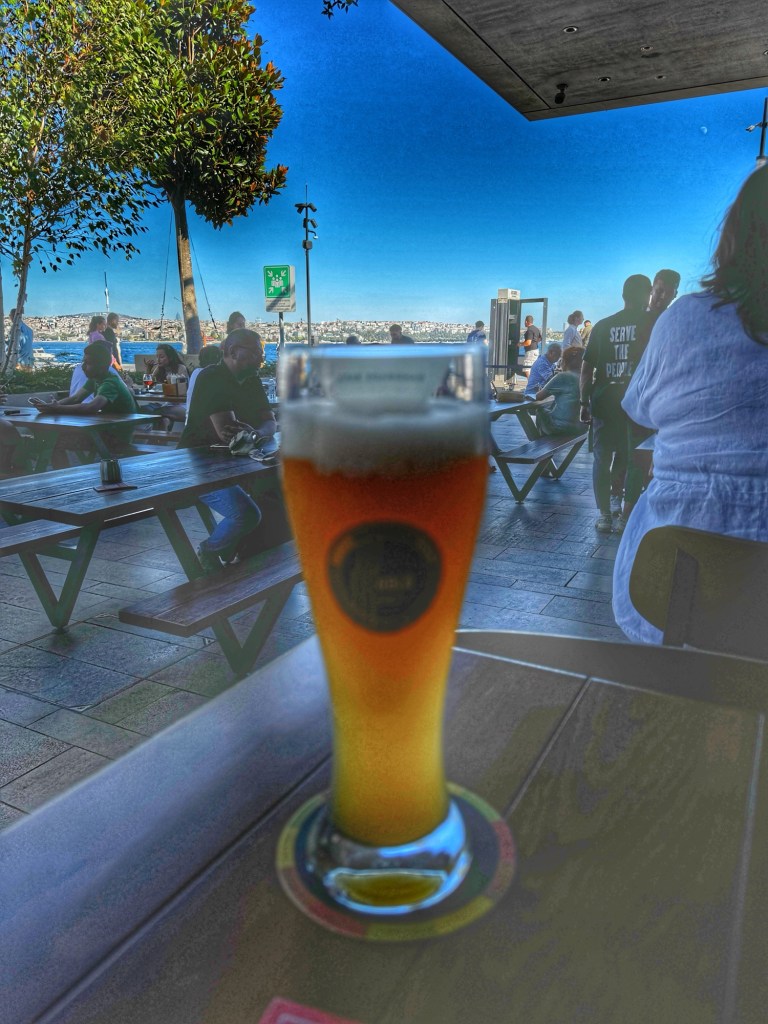
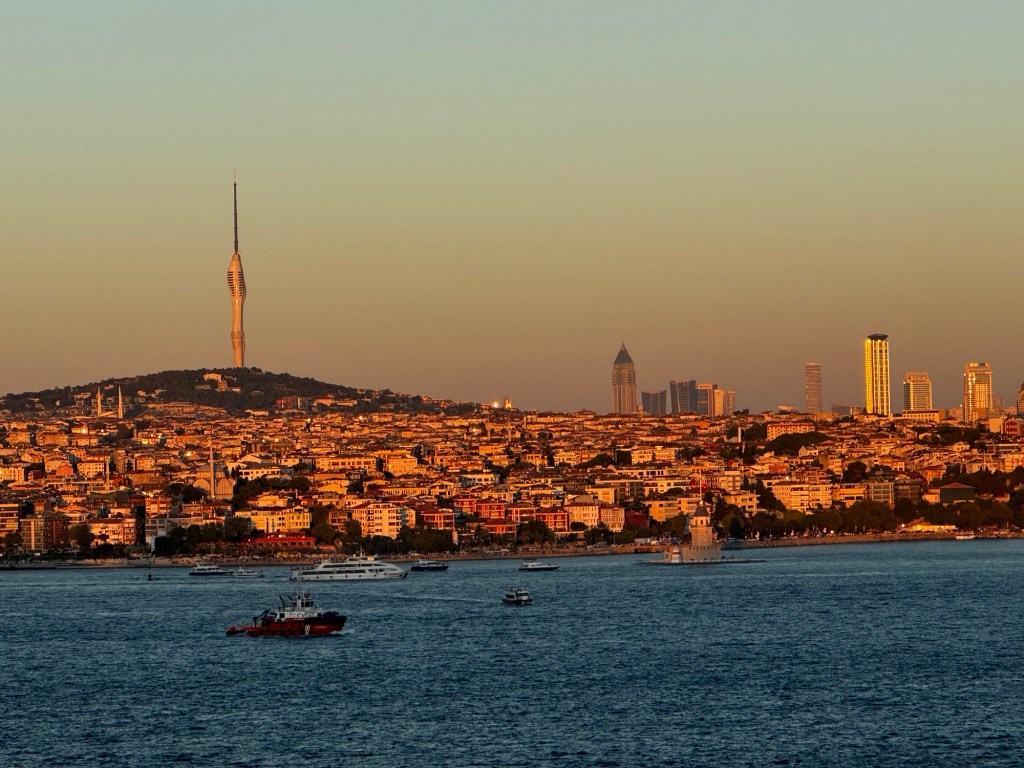
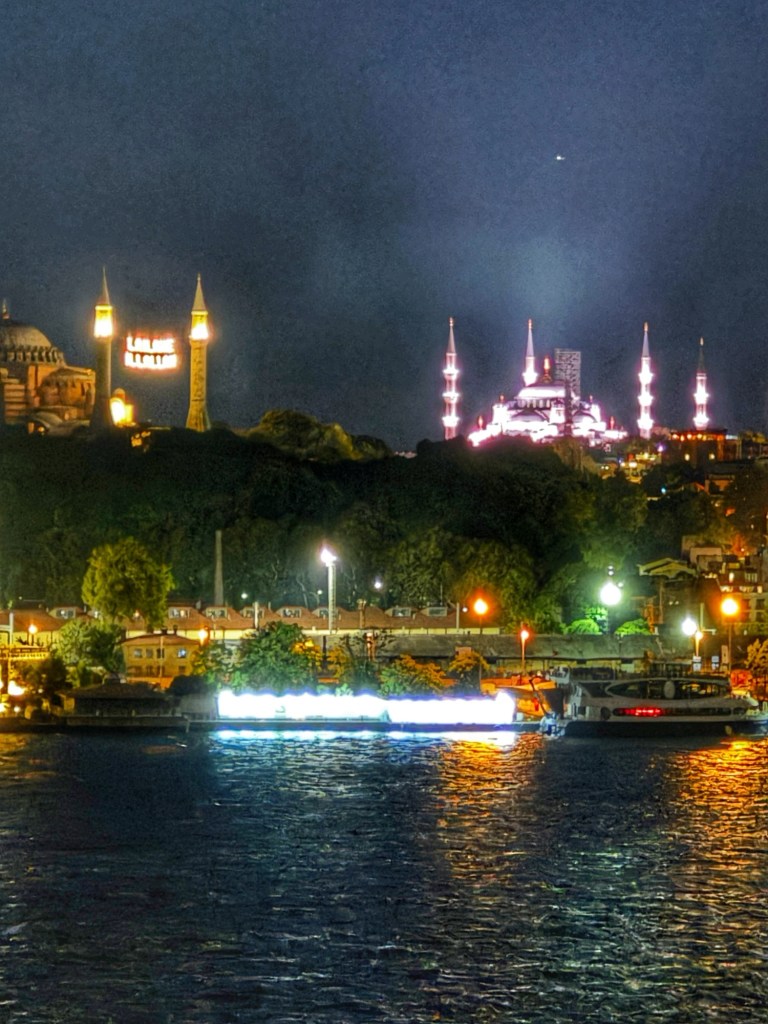
For day two, I decided to book a ship tour, which would helpfully skip many of the lines at the sights. It was nice to have an expert to guide us and give background on some of the Ottoman wooden architecture which was typical in this earthquake-prone area hundreds of years ago.
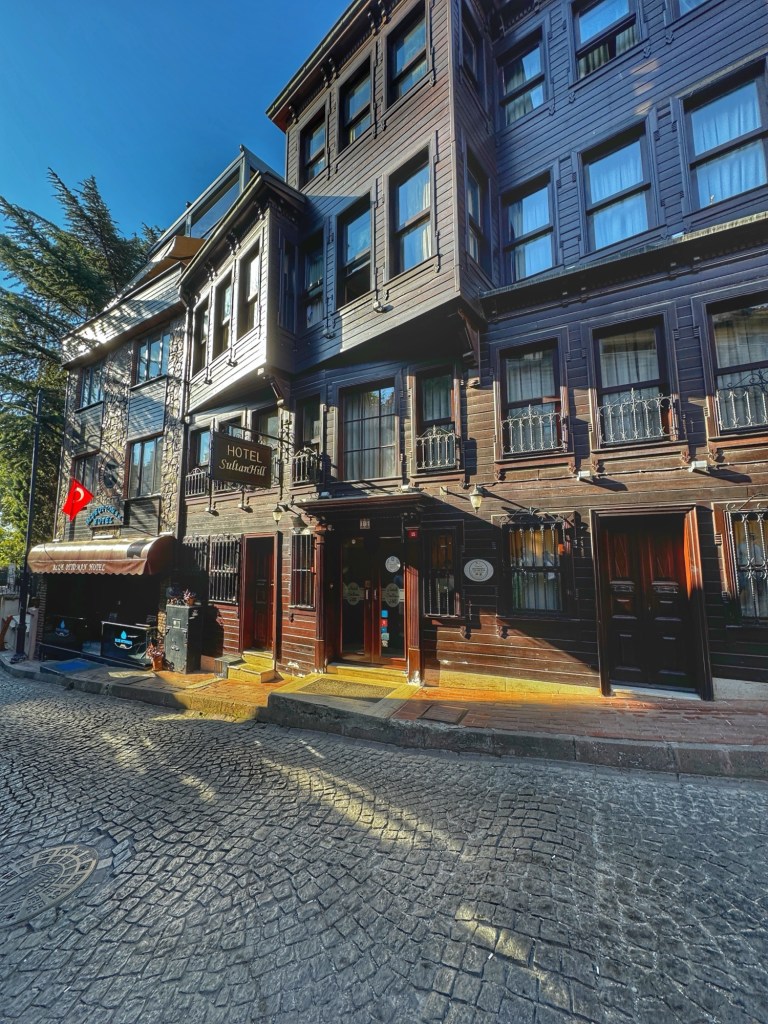
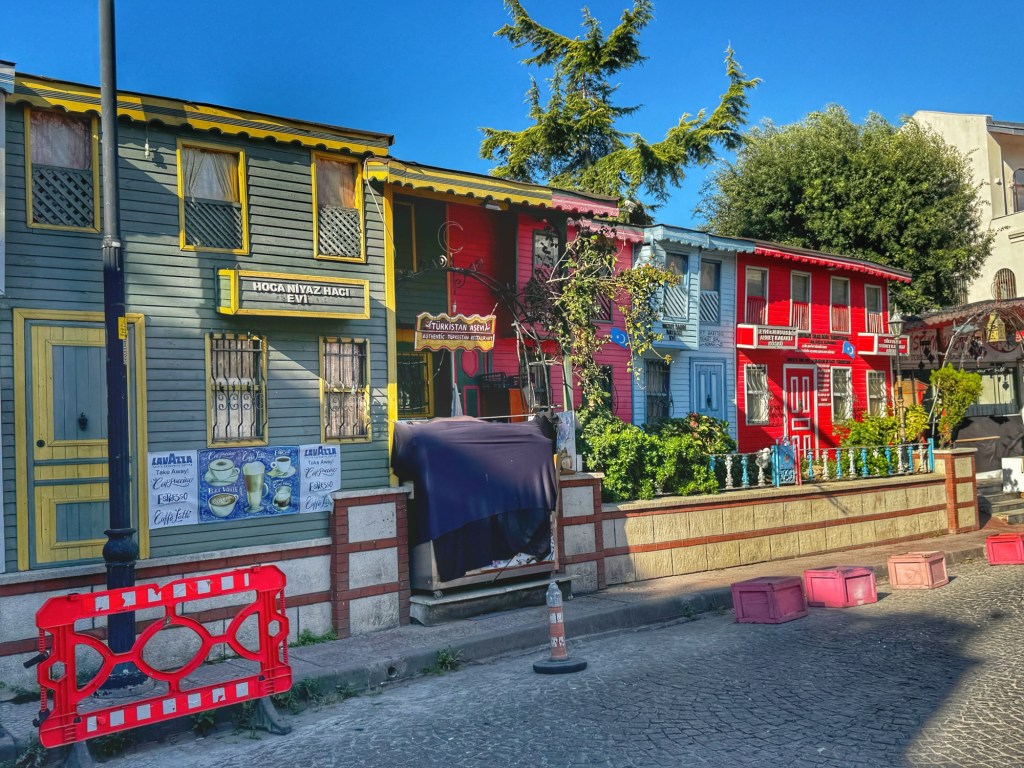
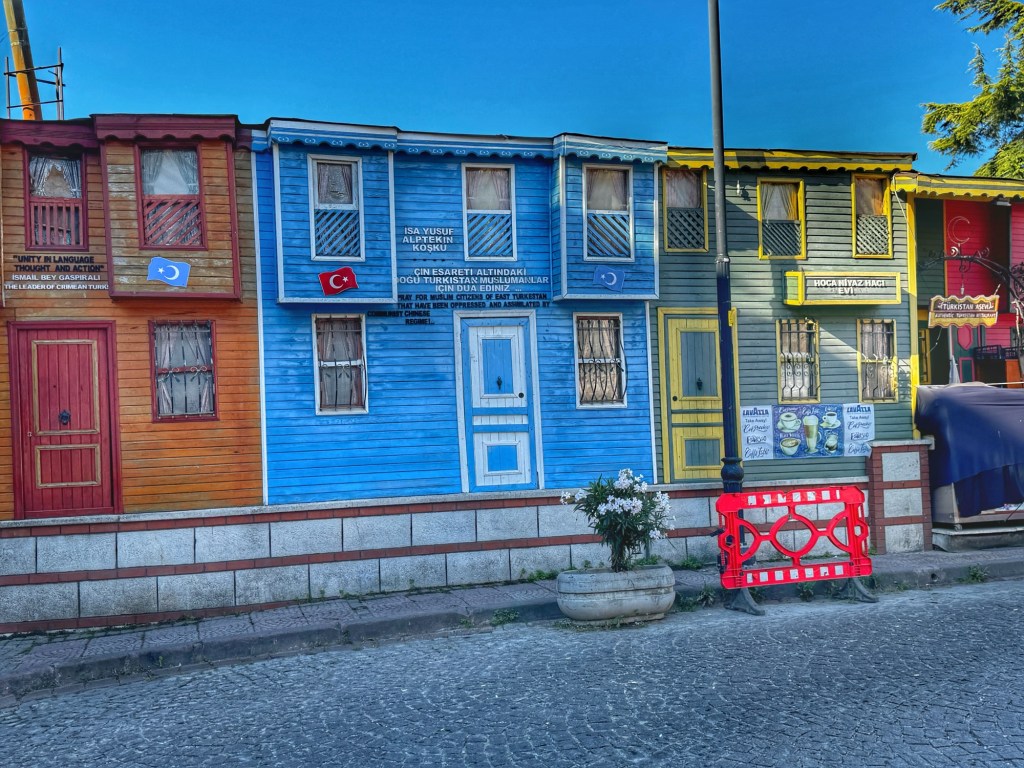
We visited the Blue Mosque which I’d seen yesterday, then did a quick pass of the Hagia Sophia where I was able to find the perfect viewpoint for a video.
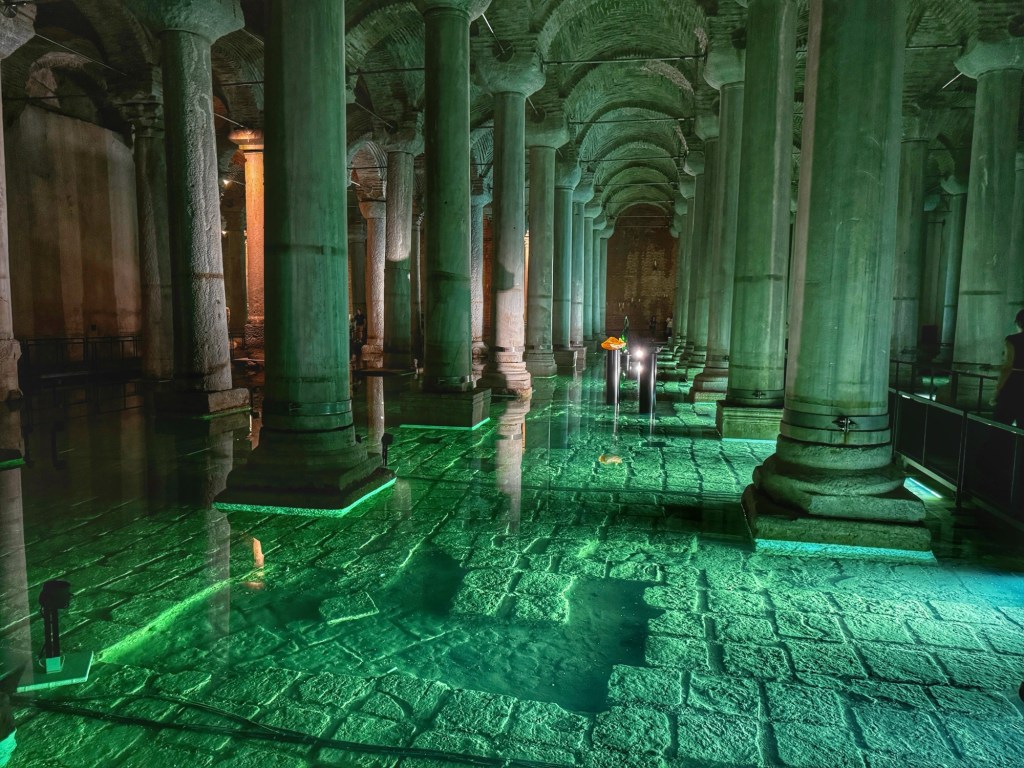
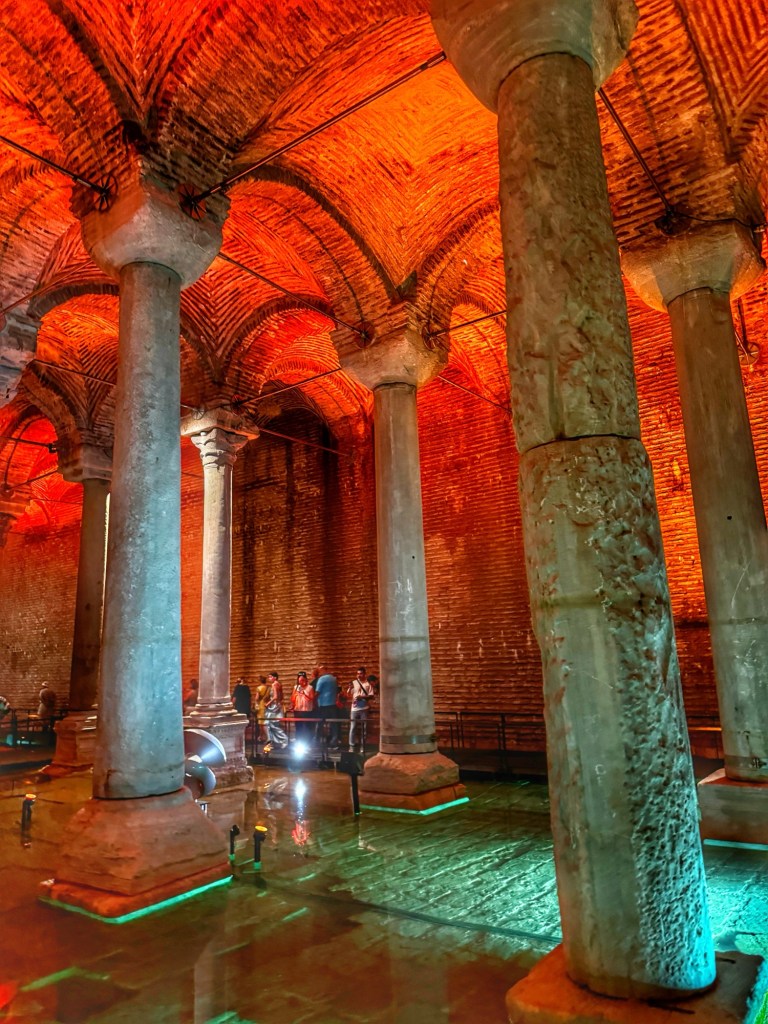
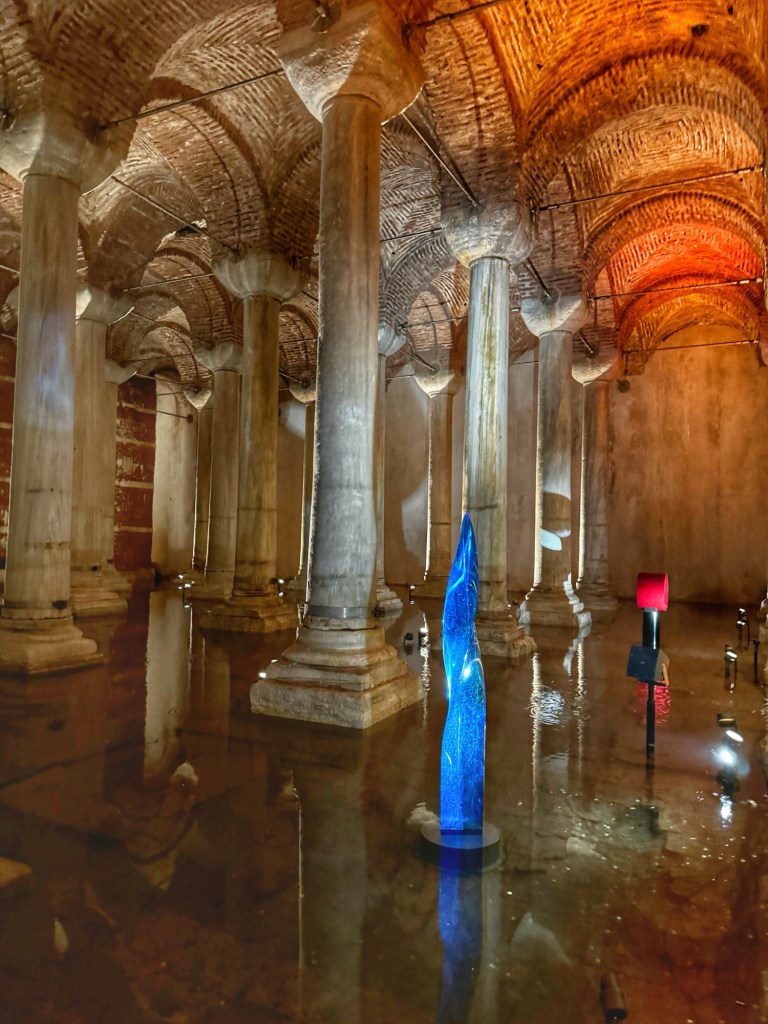
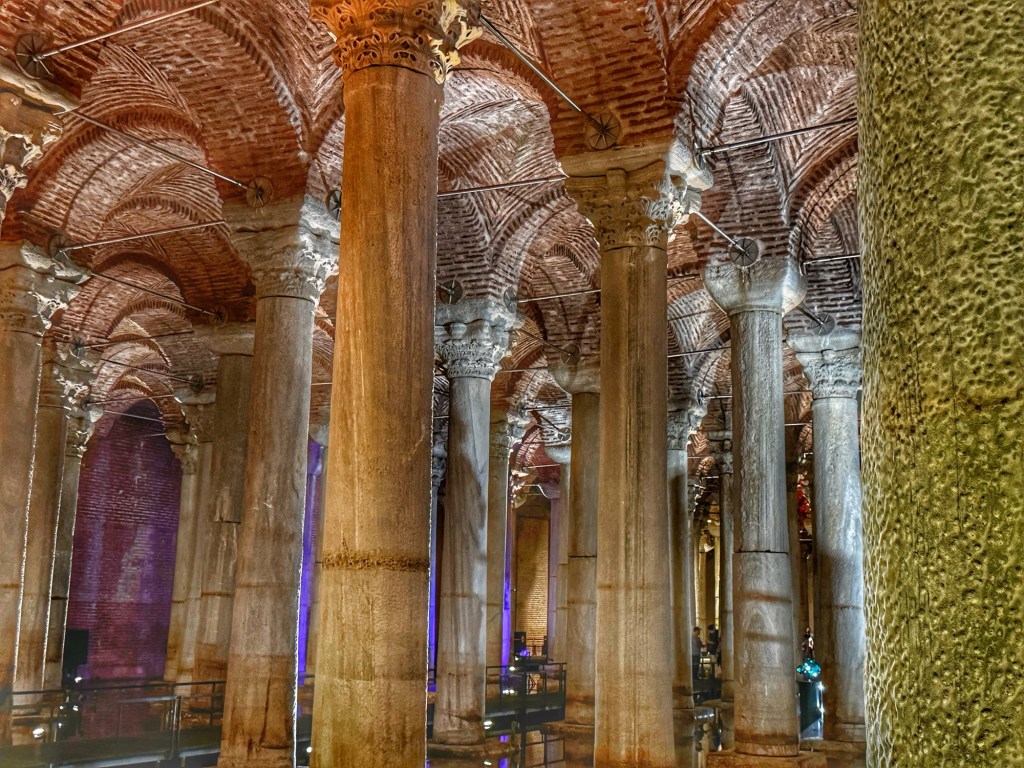
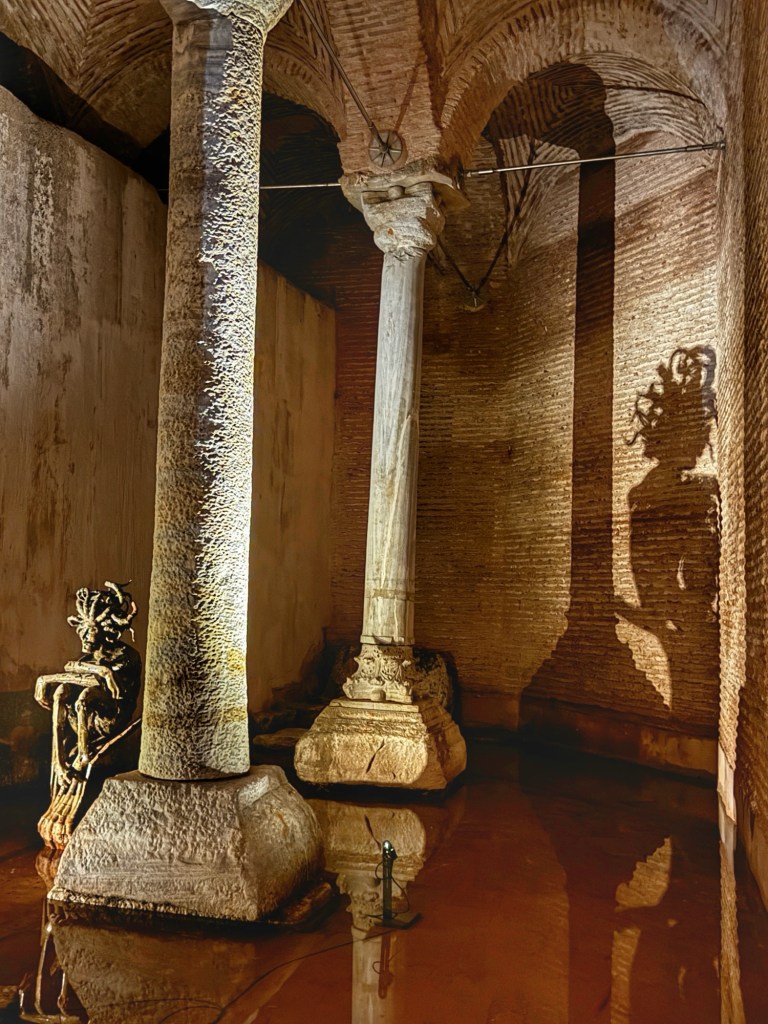
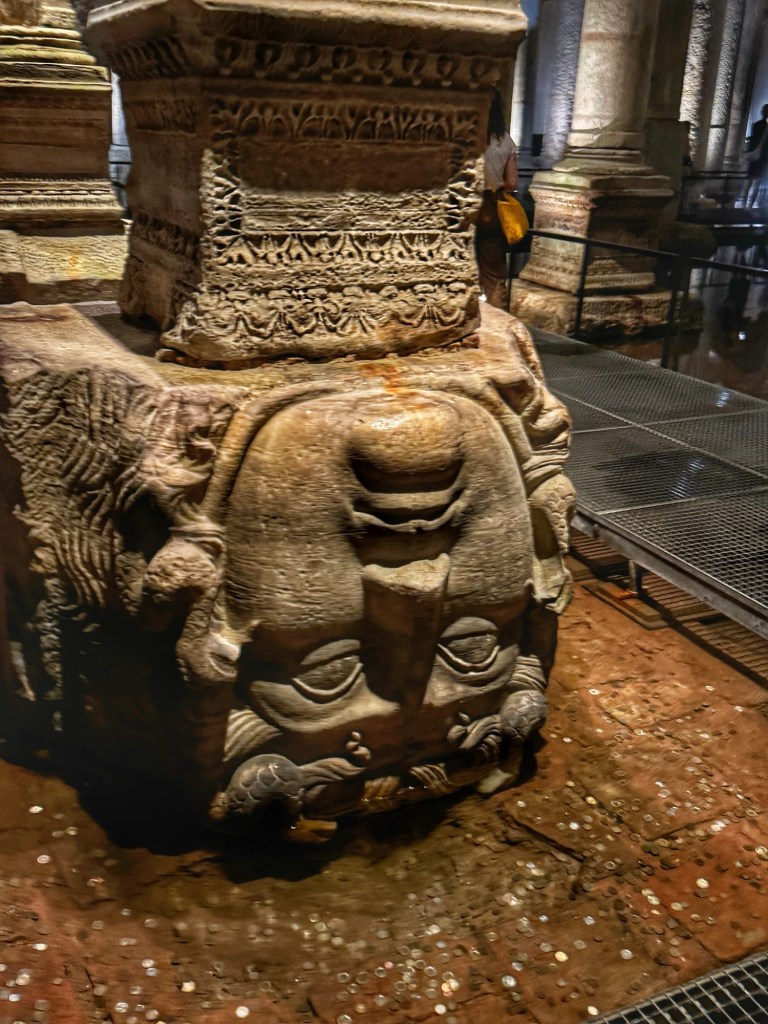
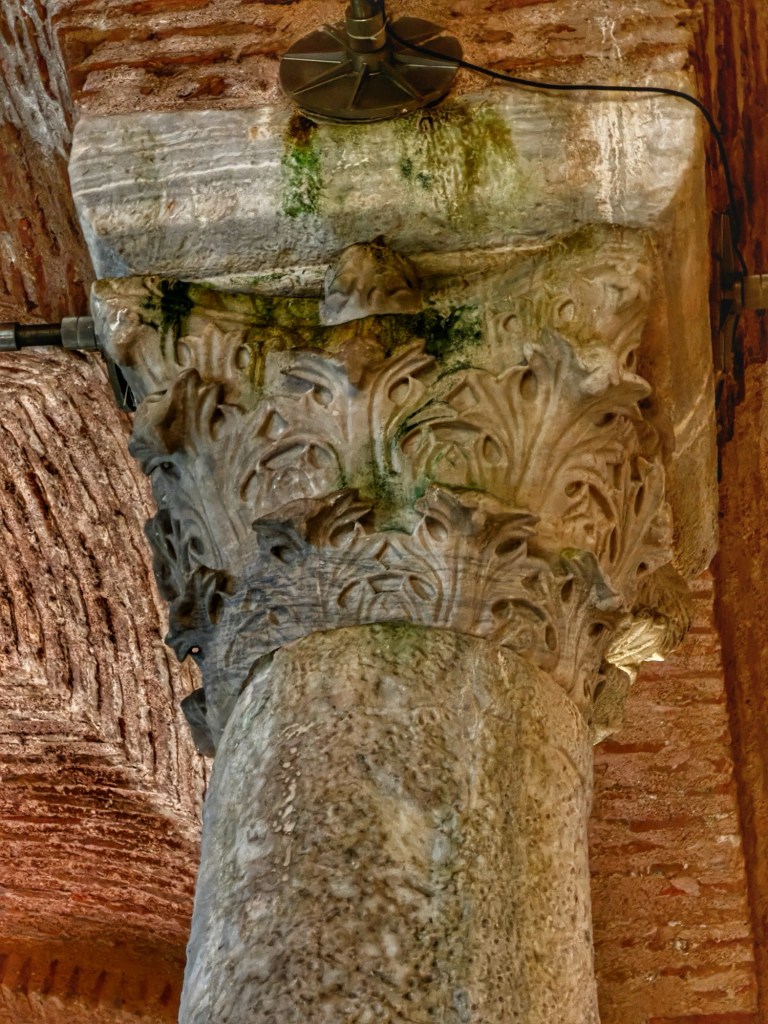
The Basilica Cistern was next, and what a sight it was. In the Byzantine times, the Emperor solved the city’s water issues by building underground cisterns capable of holding vast quantities of fresh water brought in via aqueducts. This cistern, located near the Hagia Sophia, has been turned into an attraction. Descending from a door on one side of the street, you end up in a maze of columns supporting the roof. These were scavenged from Roman temples which had been built in pre-Byzantine times. It’s amazing to walk among these columns, and the entire cistern is lit with a rotating series of lights and includes various backlit art pieces. The 007 movie From Russia with Love was filmed here in 1964 (and I love visiting Bond filming sites!). This was one of my favorite sights to see.

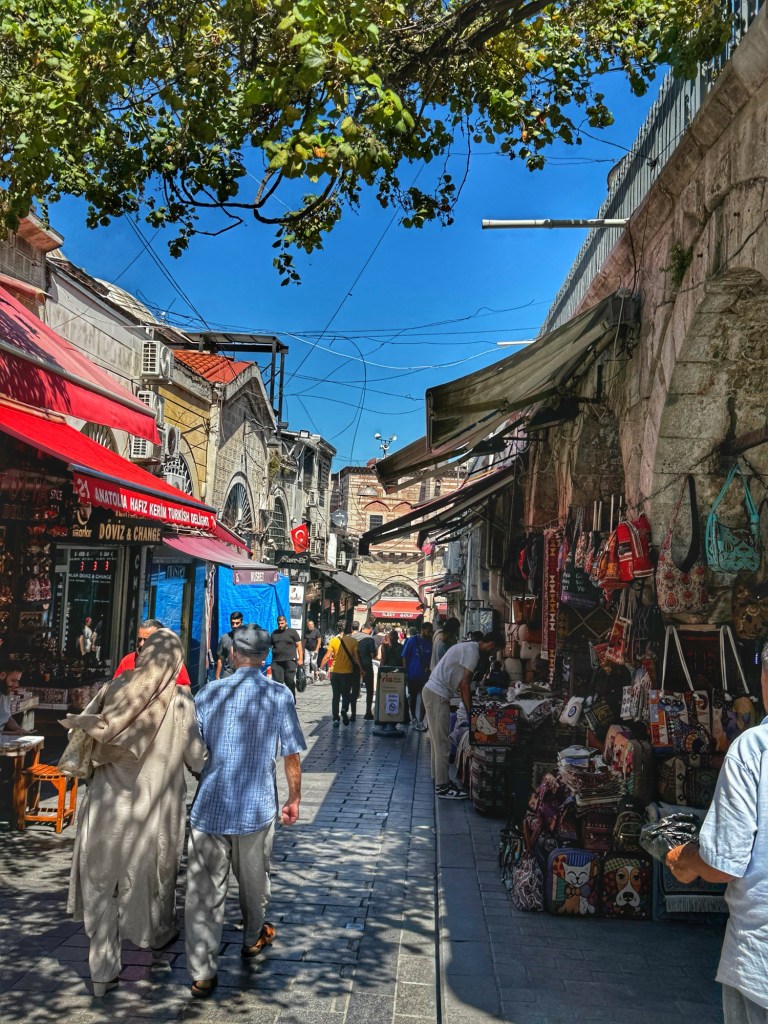
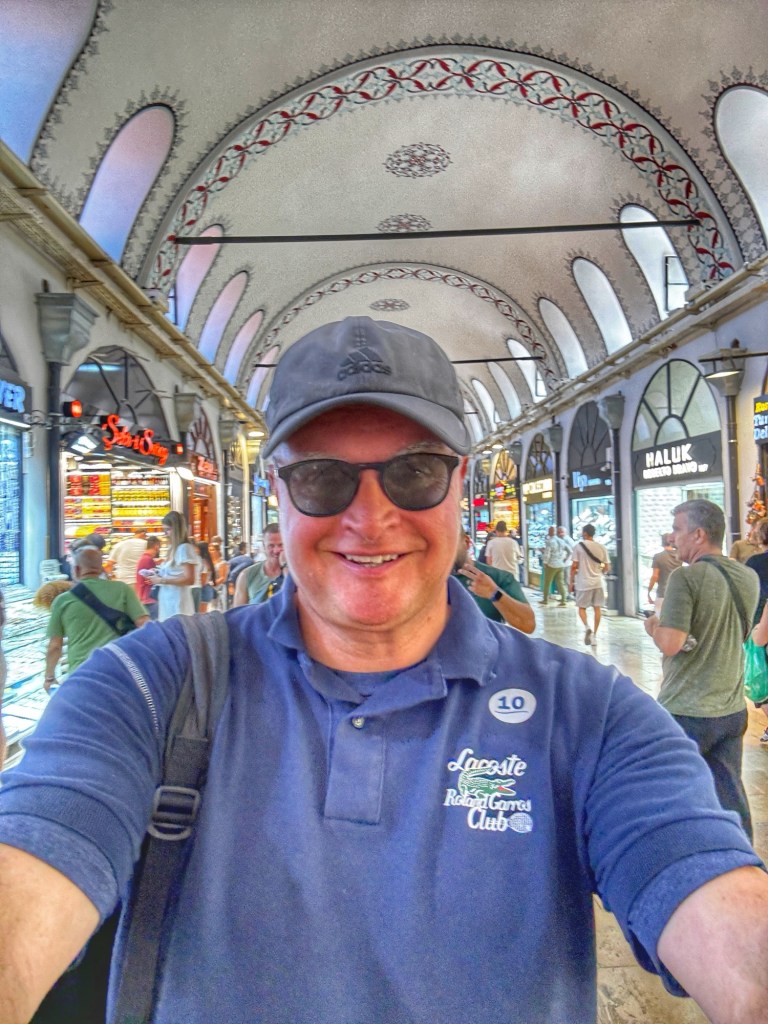
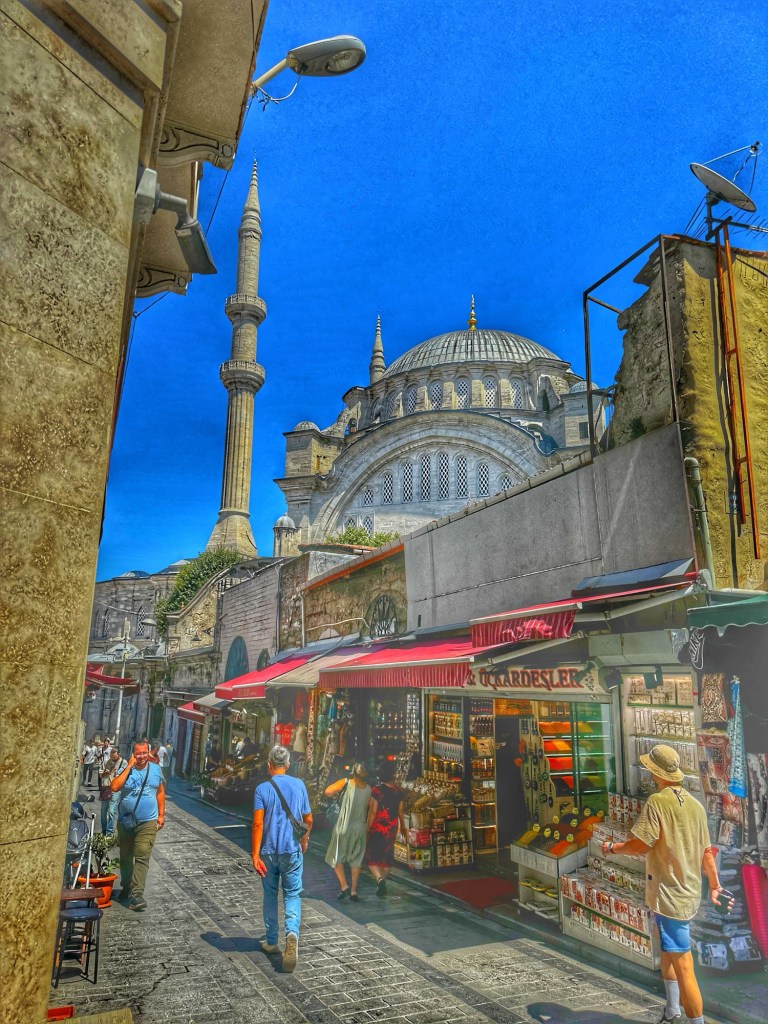
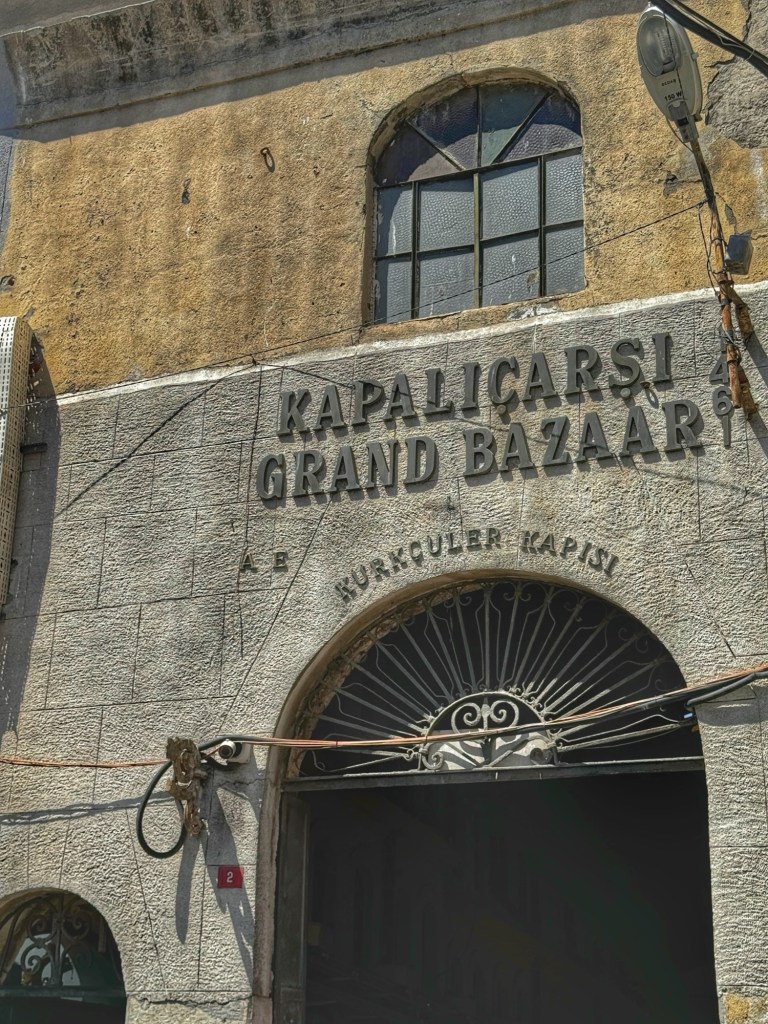
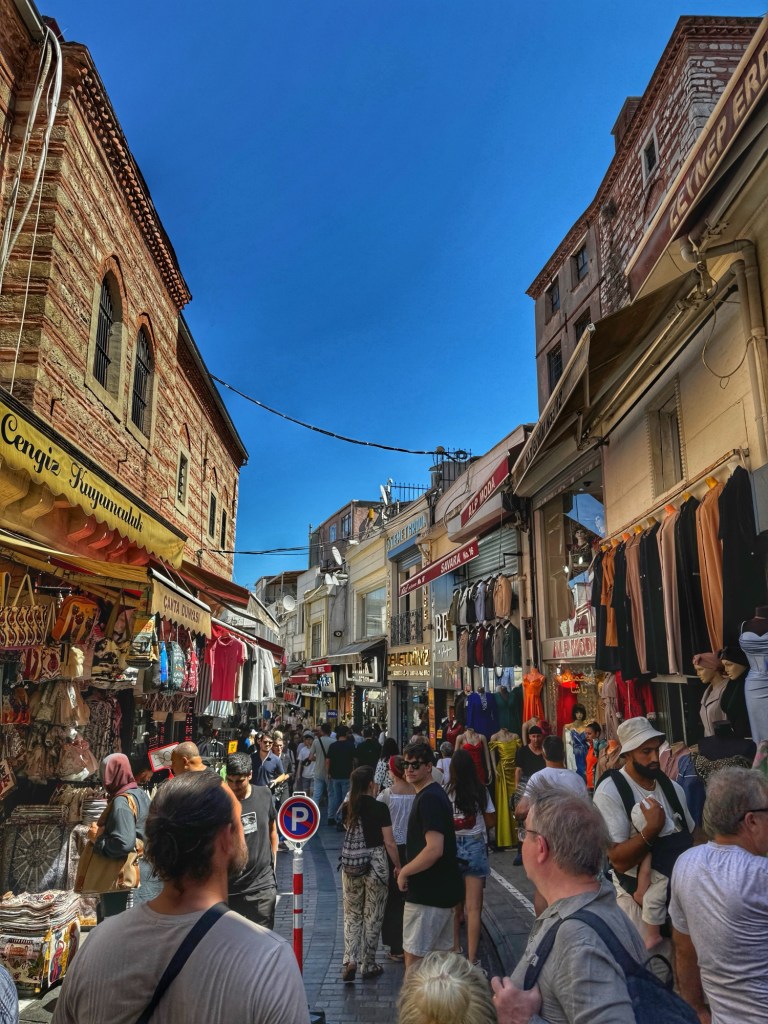
We continued on to the Grand Bazaar, which no visit to Istanbul would be complete without. Haggling is not really my thing, but I had to see it. And it didn’t disappoint in its vastness. “My friend, you look like a professional carpet shopper!” “Need a leather jacket? I have just your size!” I got a laugh from the various hawkers at their stalls.
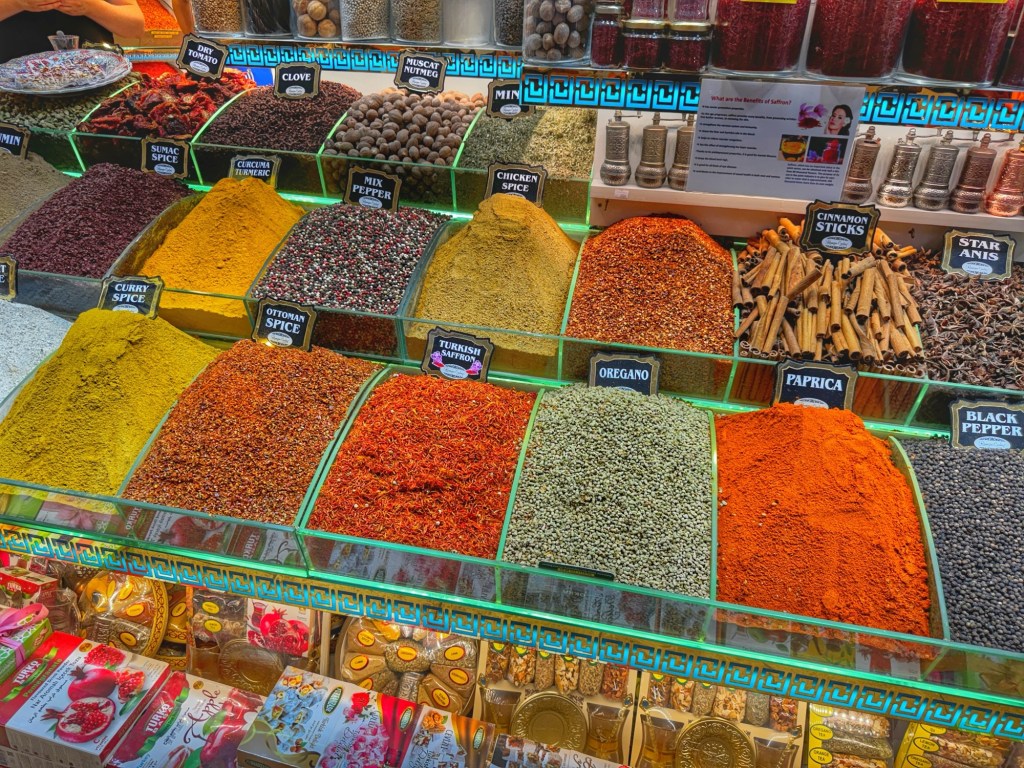
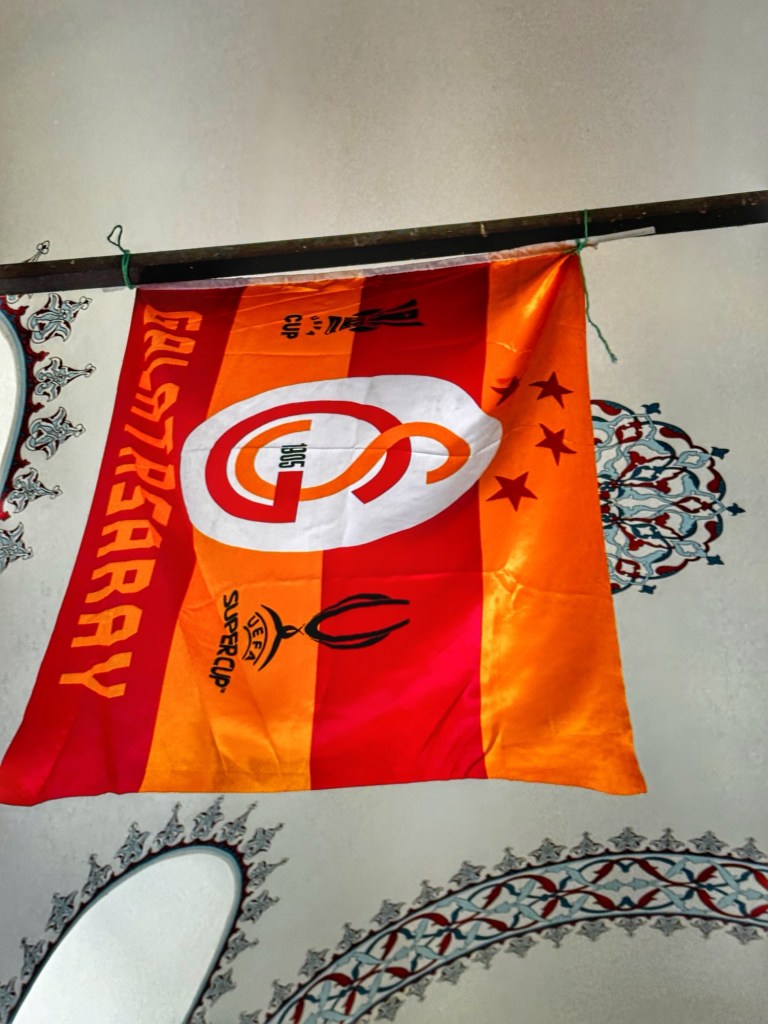
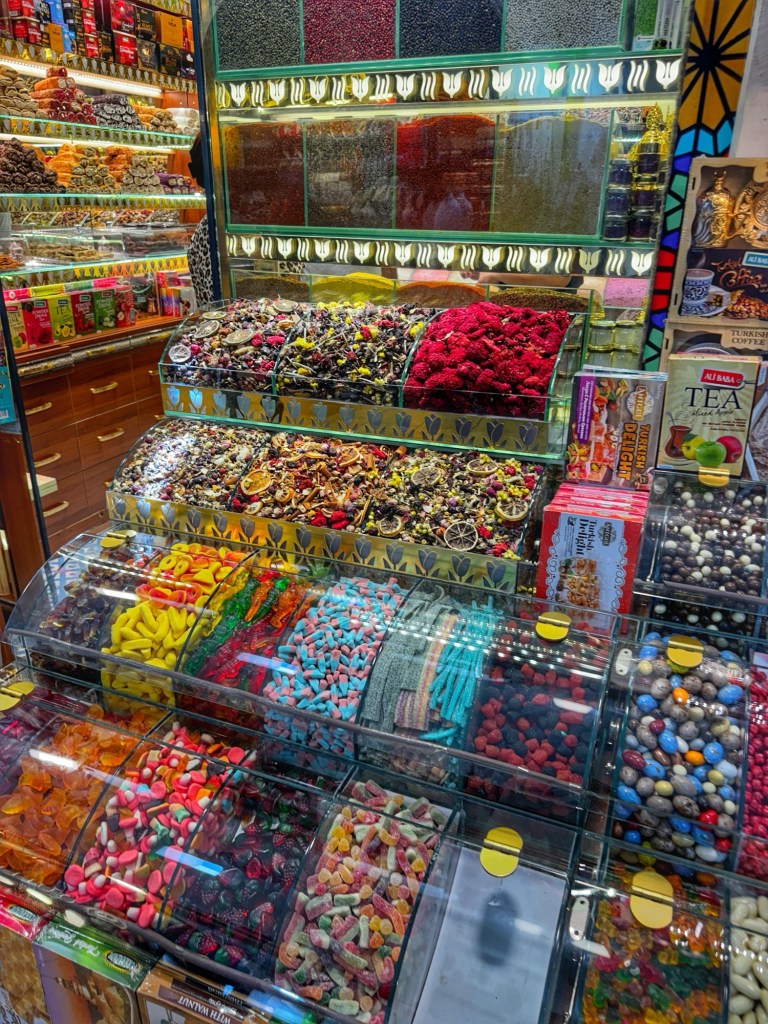
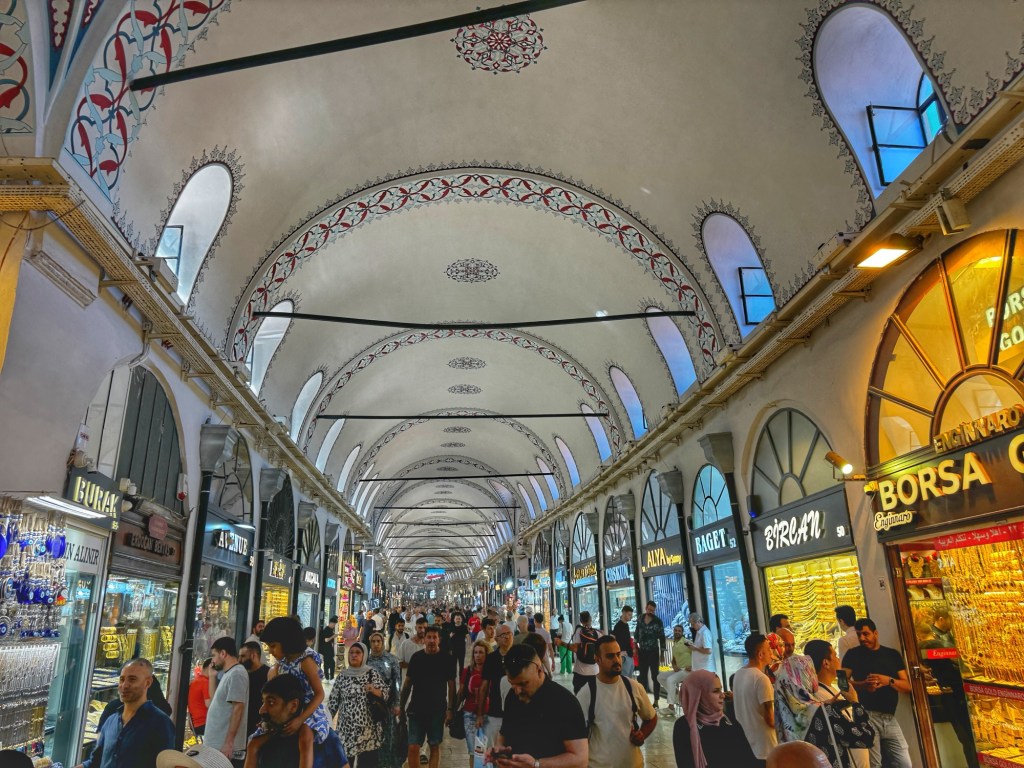
I had an excellent lunch (with two cups of Turkish coffee!!) and managed to catch the noon call to prayer before we headed back to the ship.
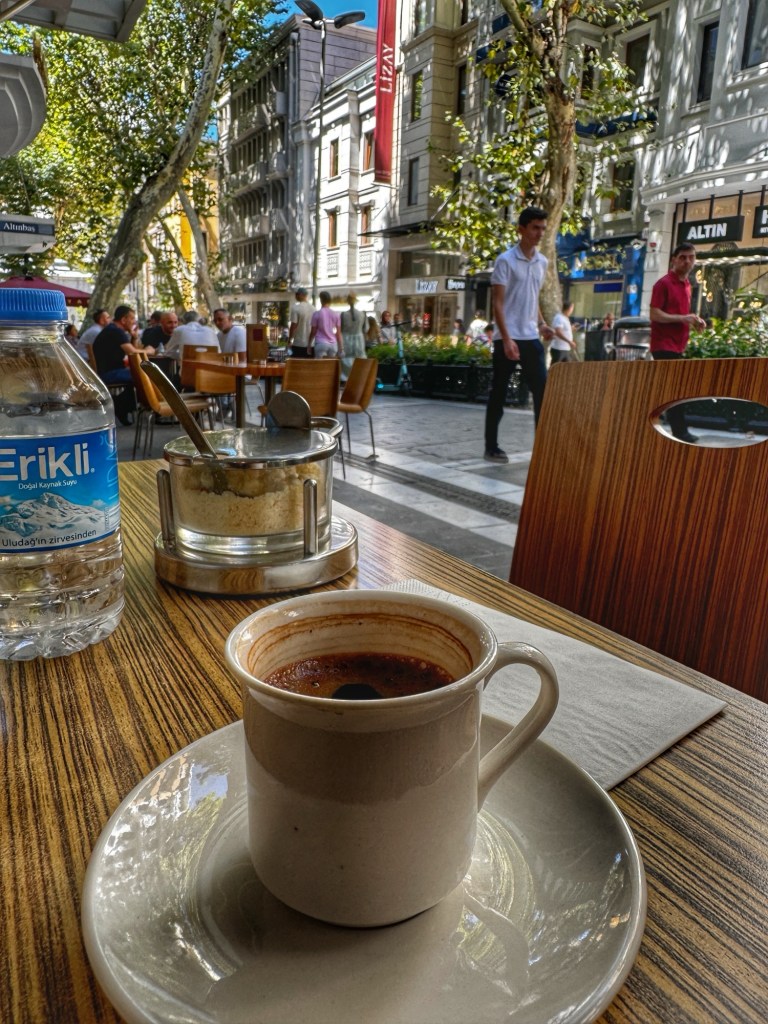
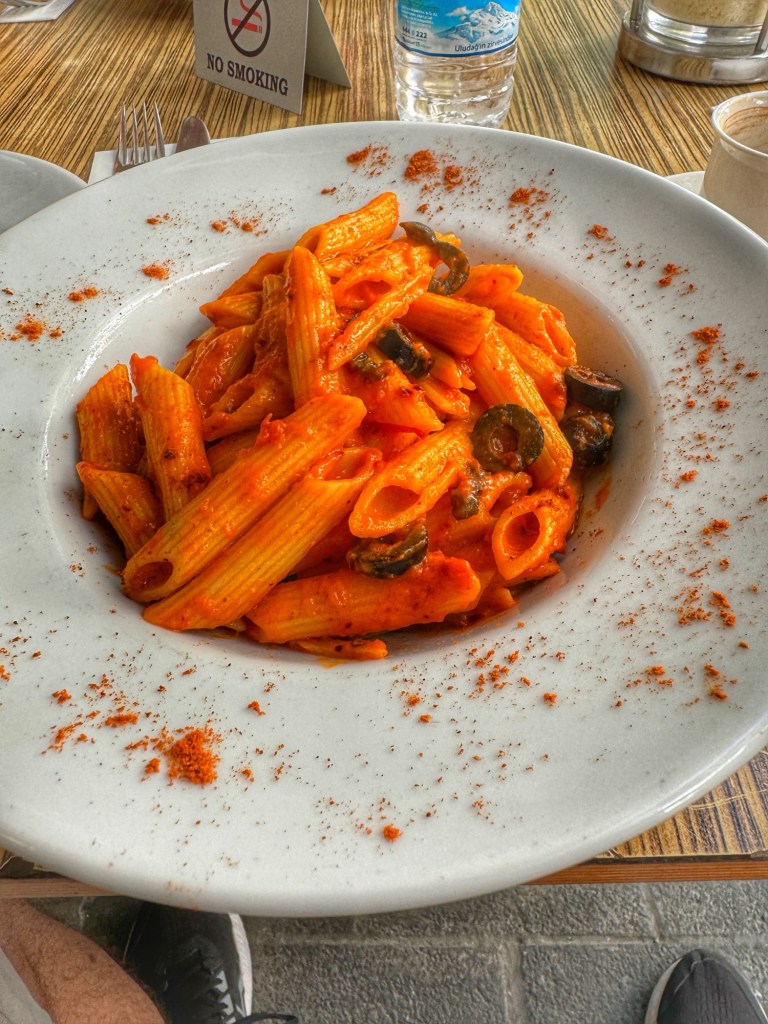
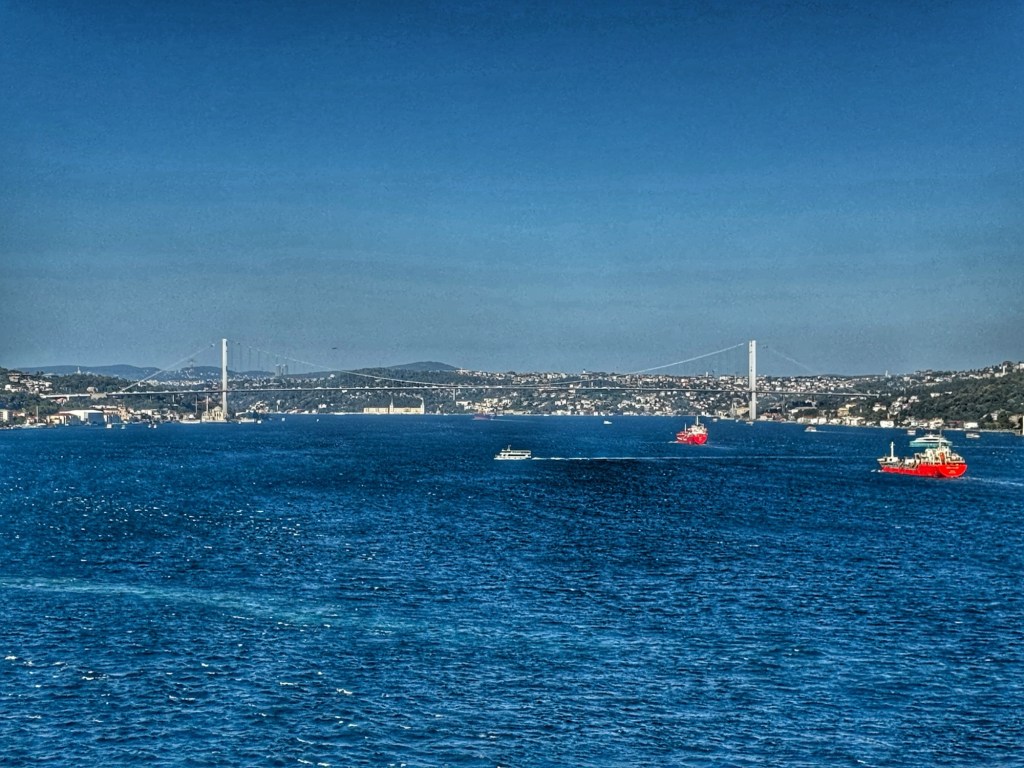
After a hot and somewhat frustrating first day, I found a real love for Istanbul on day two. I can easily see myself returning to this gem on the Bosphorus one day.

 Greg Travels
Leave a comment